Tree Trimming Services in Longmont, CO
Professional Tree Trimming for Longmont Properties
Professional tree trimming keeps your Longmont property safe, healthy, and looking its best. Our ISA Certified Arborists assess every tree before making a single cut, identifying deadwood, structural weaknesses, and growth patterns that affect long-term health. We follow ANSI A300 pruning standards on every job and hold a City of Longmont Tree Contractor License as required by Municipal Code Chapter 6.88.
Longmont's unique combination of heavy wet spring snow, Chinook wind events, and semi-arid summers means trees need strategic pruning to withstand seasonal stress. Proper crown thinning reduces snow loading on cottonwoods and silver maples along the St. Vrain corridor, while structural pruning strengthens branch unions against wind damage. Our trimming approach is designed around the specific conditions your trees face in Longmont.
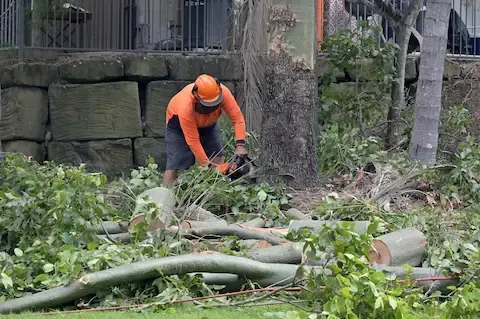
What's Included in our Tree Trimming service?
Crown Thinning & Cleaning
We selectively remove dead, diseased, and crossing branches to improve air circulation and reduce weight. Crown thinning is especially important for Longmont cottonwoods and maples that accumulate heavy wet snow during spring storms.
Structural Pruning
Our arborists establish strong branch architecture in young trees and correct structural problems in mature ones. Proper structural pruning reduces the risk of branch failure during Longmont's Chinook wind events and storm season.
Clearance Pruning
We maintain safe clearance from structures, power lines, sidewalks, and roadways. Longmont code compliance requires adequate clearance over public sidewalks and streets, and we ensure your trees meet these requirements.
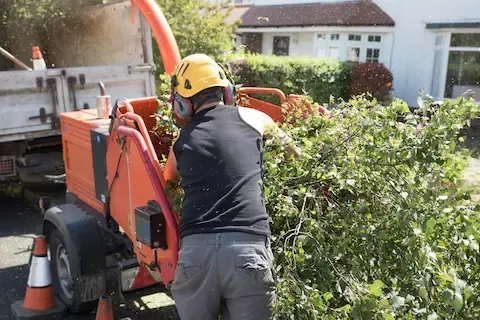
Tree Care Across Longmont and Boulder County
Professional Tree Care for Longmont and Boulder County
While our home base is Longmont, our tree care crews serve communities throughout Boulder County and the northern Front Range. From the established neighborhoods of Boulder and Lafayette to the growing communities of Erie and Berthoud, we bring the same licensed, insured, and ISA-certified expertise to every property we work on. The tree species, soil conditions, and climate challenges across these communities are similar to what we see daily in Longmont, which means our local knowledge translates directly to quality results wherever we work.
Frequently Asked Questions
Tree Service can be complex, and we’re here to provide answers to common questions. Here are some frequently asked questions from our clients.
Frequently Asked Questions about Tree Service Longmont
How much does tree trimming cost in Longmont?
Tree trimming costs in Longmont typically range from $200 to $1,800 depending on the tree species, height, number of branches requiring work, and accessibility. Cottonwoods and mature elms along the St. Vrain corridor often fall on the higher end due to their size. We provide free on-site estimates so you know exactly what to expect before any work begins.
Does Longmont require tree contractors to be licensed?
Longmont requires all tree contractors performing work aloft to hold a City of Longmont Tree Contractor License under Municipal Code Chapter 6.88. Licensed contractors must carry $1,000,000 in general liability insurance and employ at least one ISA Certified Arborist. Always ask for proof of licensing before hiring anyone to work on your trees.
When is the best time to trim trees in Longmont?
The best time to trim most trees in Longmont is during late fall through early spring while they are dormant. This reduces stress on the tree and minimizes disease transmission risk. However, dead or hazardous branches should be removed immediately regardless of season. Spring-flowering trees like crabapples are best pruned right after they bloom.
How do I know if a tree needs to be removed?
Signs your tree may need removal include large dead branches in the crown, significant trunk decay or cavities, visible fungal growth at the base, severe lean that has changed recently, root heaving, and major structural cracks. If more than 50 percent of the crown is dead or damaged, removal is usually more practical than attempting to save the tree.
What is emerald ash borer and is it in Longmont?
Emerald ash borer was confirmed in Longmont in 2016 and now threatens every ash tree in the city. Treatment with trunk injection is most effective when started before significant canopy loss occurs. The City of Longmont Forestry Services maintains a public ash tree map and encourages private property owners to consult with a licensed tree contractor about treatment options.
Do I need fire mitigation for my property near Longmont?
After the 2021 Marshall Fire destroyed over 1,100 homes in Boulder County, wildfire mitigation became essential for properties near the foothills. Creating defensible space involves thinning trees, removing ladder fuels, and maintaining clearance zones around structures. Boulder County homeowners may qualify for 50 percent cost sharing through the Wildfire Partners program.
Frequently Asked Questions about Tree Trimming
How often should I have my trees trimmed in Longmont?
Most mature trees in Longmont benefit from professional trimming every three to five years. Younger trees and fast-growing species like cottonwoods may need attention every two to three years. Trees near structures, power lines, or sidewalks should be inspected annually, especially after heavy spring snow events that can cause sudden branch failures.
Can I trim my own trees in Longmont?
You can perform minor ground-level pruning using hand saws and pole tools without a license. However, any work aloft including climbing or using aerial equipment requires a City of Longmont Licensed Tree Contractor under Chapter 6.88. For safety and proper technique, we recommend professional trimming for any tree work above what you can reach from the ground.
Does heavy spring snow damage trees in Longmont?
Colorado's wet spring snowstorms are one of the biggest threats to Longmont trees. Heavy wet snow accumulates on leafing branches and can cause severe breakage, especially in silver maples, cottonwoods, and Siberian elms. Proper crown thinning and structural pruning before spring significantly reduces snow loading damage by allowing snow to pass through the canopy.
What pruning standards do your arborists follow?
Our arborists follow ANSI A300 pruning standards and ISA best management practices for every job. These standards ensure proper cut placement, appropriate pruning ratios, and techniques that promote wound closure and long-term tree health. The City of Longmont also requires licensed contractors to pass a practical field evaluation on safe work practices and current pruning standards.
What is the difference between tree trimming and pruning?
In practice we use the terms interchangeably, but trimming usually describes clearance and shaping work, while pruning describes targeted cuts made for the tree's health and structure. Most Longmont jobs are a blend of both. What matters is that every cut has a reason behind it and lands at the branch collar so the wound closes cleanly.
Will trimming stop branches from dropping on my driveway?
Removing deadwood and reducing overextended limbs cuts the odds considerably, because most branch drops start as dead or poorly attached wood. It is risk reduction rather than a guarantee, since a heavy enough wet snow or wind event can break healthy wood too. Trees over driveways, walkways, and parking areas are the ones worth putting on a regular inspection cycle.
Do you clean up after trimming?
Yes. Branches are chipped, the work area is raked, and we leave the site clean. If you want the chips kept on site for mulch beds, tell us before the crew starts and we will pile them where you want them instead of hauling them off.
Can you trim a tree growing tight against my roof or gutters?
That is routine work in Longmont's older neighborhoods where mature trees sit close to houses. We climb and rig the limbs down in controlled sections rather than dropping them, and we cut back to a lateral so the regrowth does not immediately head for the roof again. Keeping limbs off the shingles also cuts down on the debris that clogs gutters every fall.
Why should I not have my trees topped?
Topping cuts main stems at arbitrary points, leaving large wounds that cannot seal and triggering dense, weakly attached sprouts that break easily within a few years. It makes a tree more hazardous, not less, and it permanently damages the structure. When a tree genuinely needs to be smaller, crown reduction to lateral branches accomplishes it without the damage.
How do I know a trimming company is licensed to work in Longmont?
Any contractor doing work aloft in Longmont must hold a City of Longmont Tree Contractor License under Municipal Code Chapter 6.88, which requires liability coverage and at least one ISA Certified Arborist on staff. Ask to see the license and a current certificate of insurance before work starts. A legitimate company will hand both over without hesitation.
Protect your Longmont trees with professional trimming from licensed arborists. Call today for a free on-site estimate.
Comprehensive Tree Service Services in Longmont
Tailored to Your Needs
Our Longmont tree service team provides comprehensive tree care solutions for residential and commercial properties throughout Boulder County. From routine maintenance and emergency response to specialized treatments and land clearing, every service is performed by licensed professionals following ISA best practices. Explore our full range of tree care services below.
Professional tree trimming by licensed Longmont arborists who follow ISA pruning standards to keep your trees healthy and safe year-round.
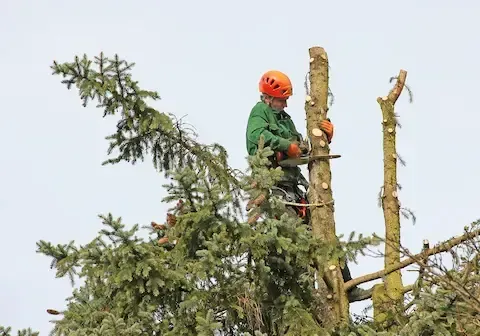
Safe and professional tree removal by licensed Longmont contractors equipped to handle any size job with full property protection.
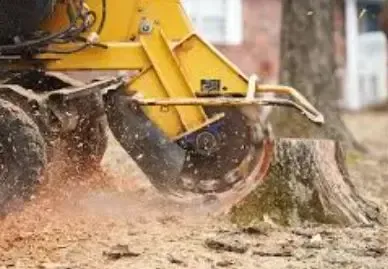
Fast and thorough stump grinding in Longmont that eliminates trip hazards, pest habitat, and eyesores from your property.
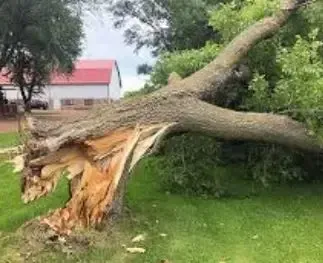
Rapid emergency tree response in Longmont for storm damage, fallen trees, and dangerous branches threatening your property.
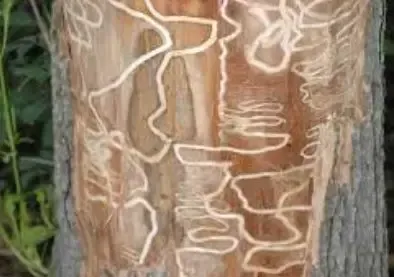
Certified arborists providing proven emerald ash borer trunk injection treatment to protect Longmont ash trees from EAB destruction.
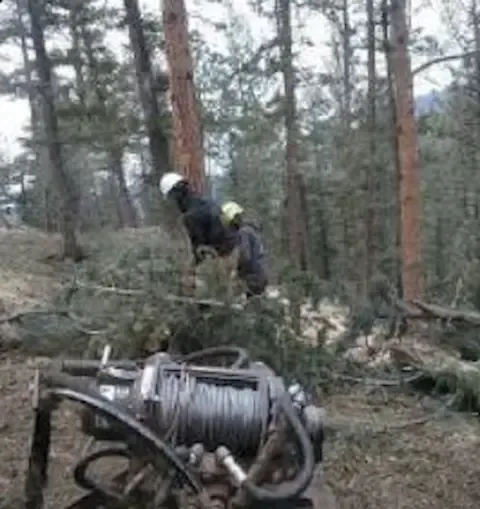
Professional fire mitigation and defensible space creation for properties near Longmont, including Wildfire Partners program coordination.
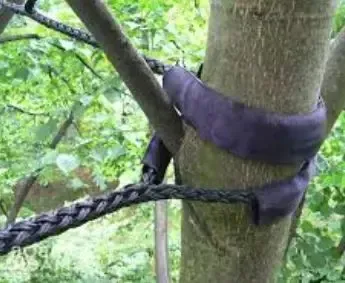
Expert tree cabling and bracing in Longmont that preserves valuable mature trees by reinforcing structural weak points against wind and snow.
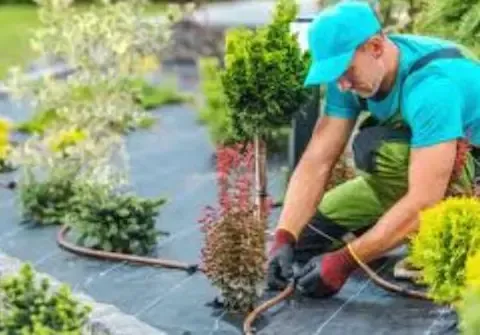
Professional tree planting in Longmont with species selected for alkaline clay soils and Colorado's Front Range climate conditions.
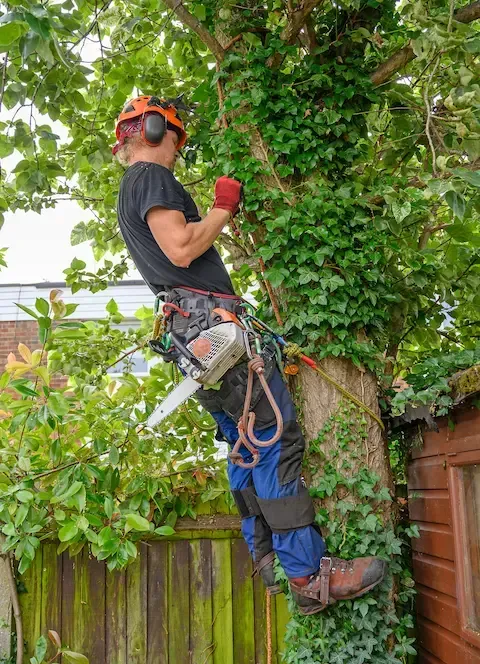
Comprehensive tree health care in Longmont including deep root fertilization, iron chlorosis treatment, and pest management programs.
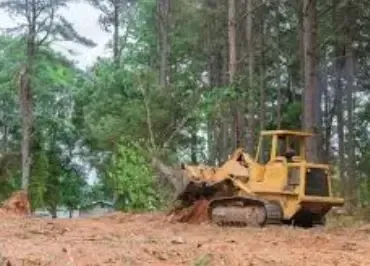
Complete land and lot clearing in Longmont for residential and commercial development including tree removal, grinding, and brush clearing.
What Our Satisfied Clients Have to Say About Front Range Tree Experts
We pride ourselves on delivering great results and experiences for each client. Hear directly from home and business owners who’ve trusted us with their Tree Service needs.

They removed a massive dead cottonwood that was leaning toward our garage after the spring snowstorm. The crew was professional, careful with our landscaping, and cleaned everything up perfectly. Best tree service experience we have had in Longmont.
— Longmont Homeowner
We hired them to treat our two large ash trees for emerald ash borer. They explained the treatment process clearly, answered all our questions, and followed up to check on the trees afterward. Very knowledgeable and honest about what our trees actually needed.
— Boulder County Resident
Called for emergency service after a wind event dropped a huge branch across our driveway. They responded the same day and had everything cleared within a couple hours. Fair price, great crew, and they even gave us recommendations for preventing future issues.
— Longmont Property Owner
The Trusted Tree Service Expert Near You
Ready to hear more about expert services at Front Range Tree Experts?
Contact us today to receive a detailed, no-obligation quote.
More About Tree Trimming
We share helpful articles to answer common questions, explain options, and give a better sense of what to expect. Whether you’re taking care of your own home or responsible for a larger property, these resources are meant to make planning and decision-making a little easier.


Serving Longmont and the surrounding Front Range cities
Mon-Fri, 8am-5pm