
Tree Planting Services in Longmont, CO
Expert Tree Planting in Longmont
Planting the right tree in the right place is one of the most impactful investments you can make for your Longmont property. Our arborists help you select species that thrive in Longmont's alkaline clay soils and USDA Zone 5b climate, then handle proper planting, staking, and establishment care to give your new tree the strongest possible start.
Too many Longmont homeowners plant species that struggle in our high-pH soils and semi-arid climate. Red maples turn chlorotic. Bradford pears split in wind. And fast-growing trees like silver maple create expensive maintenance problems within a decade. We guide you toward proven performers for Longmont conditions and plant them with techniques that promote deep root development and long-term health.

What's Included in our Tree Planting service?
Species Selection Consulting
Our arborists evaluate your site conditions including soil pH, sun exposure, available space, and drainage patterns to recommend species proven to thrive in Longmont. We match your aesthetic goals with trees that will perform for decades without chronic problems.
Professional Planting
Proper planting depth, root flare exposure, and backfill technique are critical for establishment in Longmont's clay soils. We plant at the correct depth, amend backfill as needed, and mulch properly to promote healthy root development.
Establishment Care
New trees need structured watering, staking where appropriate, and monitoring during their first two growing seasons. We provide establishment care plans tailored to the species planted and the specific conditions on your Longmont property.
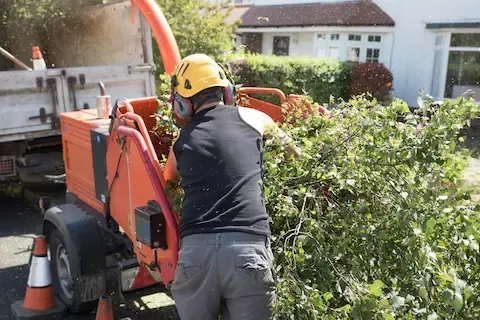
Tree Care Across Longmont and Boulder County
Professional Tree Care for Longmont and Boulder County
While our home base is Longmont, our tree care crews serve communities throughout Boulder County and the northern Front Range. From the established neighborhoods of Boulder and Lafayette to the growing communities of Erie and Berthoud, we bring the same licensed, insured, and ISA-certified expertise to every property we work on. The tree species, soil conditions, and climate challenges across these communities are similar to what we see daily in Longmont, which means our local knowledge translates directly to quality results wherever we work.
Frequently Asked Questions
Tree Service can be complex, and we’re here to provide answers to common questions. Here are some frequently asked questions from our clients.
Frequently Asked Questions about Tree Service Longmont
How much does tree trimming cost in Longmont?
Tree trimming costs in Longmont typically range from $200 to $1,800 depending on the tree species, height, number of branches requiring work, and accessibility. Cottonwoods and mature elms along the St. Vrain corridor often fall on the higher end due to their size. We provide free on-site estimates so you know exactly what to expect before any work begins.
Does Longmont require tree contractors to be licensed?
Longmont requires all tree contractors performing work aloft to hold a City of Longmont Tree Contractor License under Municipal Code Chapter 6.88. Licensed contractors must carry $1,000,000 in general liability insurance and employ at least one ISA Certified Arborist. Always ask for proof of licensing before hiring anyone to work on your trees.
When is the best time to trim trees in Longmont?
The best time to trim most trees in Longmont is during late fall through early spring while they are dormant. This reduces stress on the tree and minimizes disease transmission risk. However, dead or hazardous branches should be removed immediately regardless of season. Spring-flowering trees like crabapples are best pruned right after they bloom.
How do I know if a tree needs to be removed?
Signs your tree may need removal include large dead branches in the crown, significant trunk decay or cavities, visible fungal growth at the base, severe lean that has changed recently, root heaving, and major structural cracks. If more than 50 percent of the crown is dead or damaged, removal is usually more practical than attempting to save the tree.
What is emerald ash borer and is it in Longmont?
Emerald ash borer was confirmed in Longmont in 2016 and now threatens every ash tree in the city. Treatment with trunk injection is most effective when started before significant canopy loss occurs. The City of Longmont Forestry Services maintains a public ash tree map and encourages private property owners to consult with a licensed tree contractor about treatment options.
Do I need fire mitigation for my property near Longmont?
After the 2021 Marshall Fire destroyed over 1,100 homes in Boulder County, wildfire mitigation became essential for properties near the foothills. Creating defensible space involves thinning trees, removing ladder fuels, and maintaining clearance zones around structures. Boulder County homeowners may qualify for 50 percent cost sharing through the Wildfire Partners program.
Frequently Asked Questions about Tree Planting
What trees grow best in Longmont's climate?
Longmont sits in USDA Hardiness Zone 5b with alkaline clay soils, which limits species options. Excellent choices include bur oak, Kentucky coffeetree, honeylocust, hackberry, and several crabapple varieties. Native species like narrowleaf cottonwood and Rocky Mountain juniper thrive here. We avoid species prone to iron chlorosis in high-pH soils like red maple and pin oak.
When is the best time to plant trees in Longmont?
Fall planting between September and mid-October is ideal in Longmont because it gives roots time to establish before winter dormancy while avoiding summer heat stress. Spring planting works well from April through May after the last hard freeze. Avoid planting during Longmont's hot dry summer months when newly planted trees struggle to maintain adequate moisture.
Do I need approval to plant a tree on my Longmont property?
Trees on your private property do not require city approval. However, planting in the city right-of-way between the sidewalk and street requires prior approval from Longmont Forestry Services through a ServiceWorks request. Planting without approval in public right-of-way may result in the city requiring removal. Our team handles the approval process for right-of-way plantings.
How do I care for a newly planted tree in Longmont?
Water deeply twice per week during the first growing season and once weekly during the second year. Longmont's semi-arid climate means supplemental watering is essential even during fall and winter when the ground is not frozen. Apply three to four inches of wood chip mulch around the base but keep it away from the trunk. Avoid fertilizing during the first year while roots establish.
What size tree should I start with?
Smaller trees usually win. A one-and-a-half to two-inch caliber tree establishes faster and often overtakes a larger transplant within a few years, because it loses less of its root system in the move. Large-caliber stock costs considerably more and spends longer in transplant shock, which is a real disadvantage in Longmont's dry summers.
Do you source the trees or do I buy them?
Either works. We can source from regional growers whose stock is already acclimated to Front Range conditions, or plant a tree you have picked out. If you are buying it yourself, tell us the species first so we can flag anything that struggles in high-pH clay before you spend the money.
How long before a new tree provides real shade?
For a moderate grower planted at typical nursery size, meaningful shade takes roughly seven to ten years, with useful canopy sooner if you plant a faster species. Honeylocust and hackberry move along reasonably quickly here. Bur oak takes longer but is close to indestructible once established, which is often the better trade on a property you plan to keep.
Should I stake my new tree?
Only when it needs it. Staking is warranted on exposed sites with steady wind or when the root ball will not hold the tree upright on its own, which describes a fair number of Longmont lots. Left on too long, stakes prevent the trunk flex that builds strength, so anything installed should come off within a year.
Can I plant where an ash tree was removed?
Yes, with a little preparation. Grind deeper than standard, remove the wood chips rather than backfilling with them, and bring in soil, since fresh chips tie up nitrogen as they break down. Offsetting the new tree a foot or two from the old center gives young roots better ground to work with. Choose something other than ash so you are not repeating the problem.
Do you replace trees that fail to establish?
We stand behind our planting and the establishment plan that goes with it, and we will assess any tree that struggles in its first seasons. Most young-tree losses trace back to watering rather than installation, so coverage depends on the care plan being followed. We put the terms in writing before we plant so there is no ambiguity later.
Ready to add trees to your Longmont property? Contact us for expert species selection and professional planting services.
Comprehensive Tree Service Services in Longmont
Tailored to Your Needs
Our Longmont tree service team provides comprehensive tree care solutions for residential and commercial properties throughout Boulder County. From routine maintenance and emergency response to specialized treatments and land clearing, every service is performed by licensed professionals following ISA best practices. Explore our full range of tree care services below.
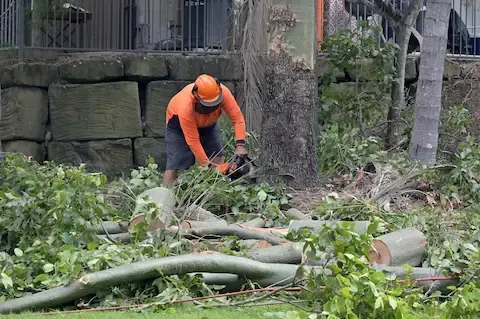
Professional tree trimming by licensed Longmont arborists who follow ISA pruning standards to keep your trees healthy and safe year-round.
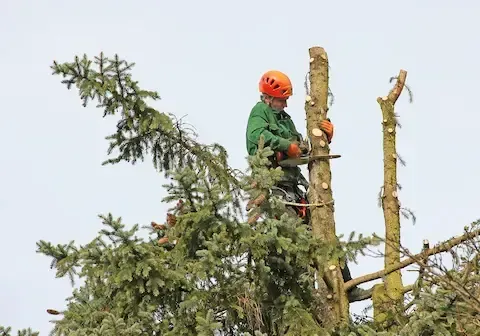
Safe and professional tree removal by licensed Longmont contractors equipped to handle any size job with full property protection.
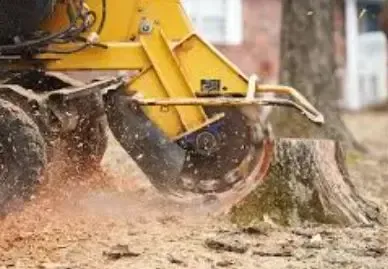
Fast and thorough stump grinding in Longmont that eliminates trip hazards, pest habitat, and eyesores from your property.
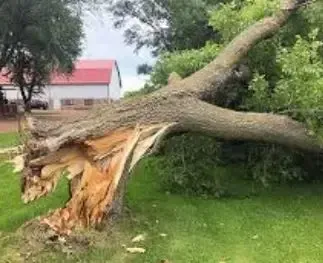
Rapid emergency tree response in Longmont for storm damage, fallen trees, and dangerous branches threatening your property.
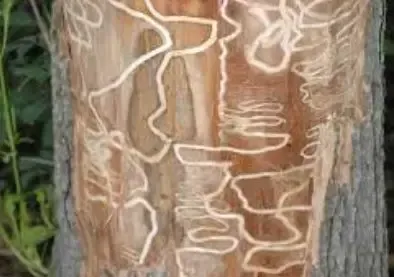
Certified arborists providing proven emerald ash borer trunk injection treatment to protect Longmont ash trees from EAB destruction.
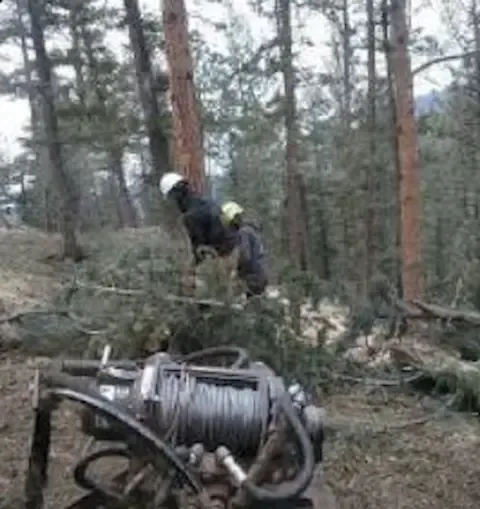
Professional fire mitigation and defensible space creation for properties near Longmont, including Wildfire Partners program coordination.
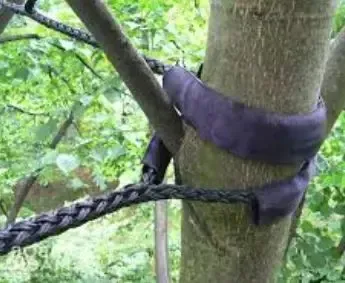
Expert tree cabling and bracing in Longmont that preserves valuable mature trees by reinforcing structural weak points against wind and snow.
Professional tree planting in Longmont with species selected for alkaline clay soils and Colorado's Front Range climate conditions.
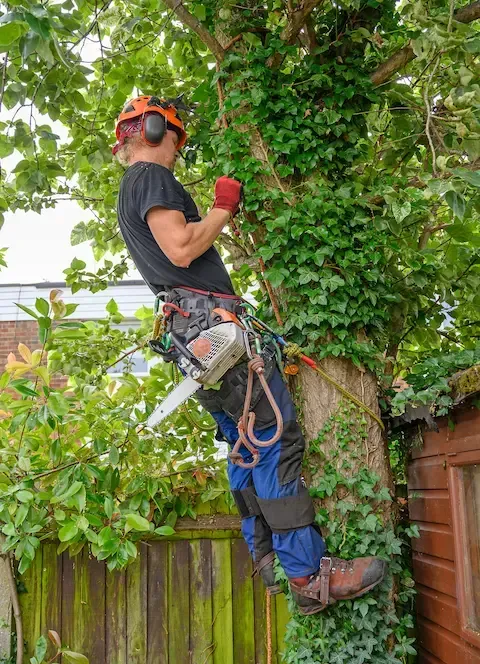
Comprehensive tree health care in Longmont including deep root fertilization, iron chlorosis treatment, and pest management programs.
Complete land and lot clearing in Longmont for residential and commercial development including tree removal, grinding, and brush clearing.
What Our Satisfied Clients Have to Say About Front Range Tree Experts
We pride ourselves on delivering great results and experiences for each client. Hear directly from home and business owners who’ve trusted us with their Tree Service needs.

They removed a massive dead cottonwood that was leaning toward our garage after the spring snowstorm. The crew was professional, careful with our landscaping, and cleaned everything up perfectly. Best tree service experience we have had in Longmont.
— Longmont Homeowner
We hired them to treat our two large ash trees for emerald ash borer. They explained the treatment process clearly, answered all our questions, and followed up to check on the trees afterward. Very knowledgeable and honest about what our trees actually needed.
— Boulder County Resident
Called for emergency service after a wind event dropped a huge branch across our driveway. They responded the same day and had everything cleared within a couple hours. Fair price, great crew, and they even gave us recommendations for preventing future issues.
— Longmont Property Owner
The Trusted Tree Service Expert Near You
Ready to hear more about expert services at Front Range Tree Experts?
Contact us today to receive a detailed, no-obligation quote.
More About Tree Planting
We share helpful articles to answer common questions, explain options, and give a better sense of what to expect. Whether you’re taking care of your own home or responsible for a larger property, these resources are meant to make planning and decision-making a little easier.


Serving Longmont and the surrounding Front Range cities
Mon-Fri, 8am-5pm