
Tree Service in Lafayette, CO for Suburban Canopies
Tree Pressures Specific to Lafayette's Property Mix
Residential properties across Lafayette range from compact Old Town lots with century-old tree plantings to newer subdivisions where young canopy is still establishing against open wind exposure. Cottonwoods along Coal Creek and Rock Creek corridors grow aggressively and develop brittle wood that sheds branches during wind events, creating ongoing cleanup and safety concerns for adjacent homeowners. Older neighborhoods carry mature elms and maples that have outgrown their original planting sites, with root systems lifting sidewalks and branches pressing against gutters and rooflines. Each property configuration presents its own set of priorities, from structural pruning on young stock to crown reduction and hazard assessment on aging specimens that have reached their full architectural spread.
From Old Town to Open Space: Tree Needs Across Lafayette
Open space borders on many Lafayette subdivisions create a transitional zone where managed landscape meets unmanaged vegetation, and trees growing along that edge can develop differently than those fully within a maintained yard. Wind channeling between structures amplifies storm loading on exposed canopies, particularly in neighborhoods like Indian Peaks and White Hawk Ranch that sit on higher ground with less natural windbreak. Alkaline clay soils prevalent throughout the area cause chlorosis in species poorly suited to high pH conditions, which results in progressive yellowing and decline that reduces both the health and the appearance of the landscape. Understanding how site conditions interact with species selection and ongoing care determines whether a tree thrives or becomes a recurring maintenance burden.
Residential Tree Trimming and Pruning
Routine trimming on Lafayette properties addresses the clearance, visibility, and structural integrity issues that develop as trees grow into their surroundings. Raising canopy over sidewalks, driveways, and rooflines prevents contact damage and maintains access, while interior thinning reduces the wind and snow loading that causes branch failures during Front Range storms. Proper pruning technique preserves the branch collar and promotes compartmentalization rather than leaving flush cuts or stubs that invite decay. Scheduling trimming during dormant season minimizes stress and disease transmission risk for most species, though deadwood and hazard branches warrant removal regardless of time of year when they present an active safety concern on the property.
Residential Tree Trimming and Pruning
Removing a tree from a Lafayette property requires planning that accounts for proximity to structures, fences, overhead utilities, and neighboring improvements. Many lots in established neighborhoods like Waneka Lake and Blue Heron have mature trees positioned close to foundations where directional felling is not feasible and sectional dismantling from the canopy down is the safer approach. Crane-assisted removal may be necessary for the largest specimens where ground access or rigging options are limited. Stump grinding follows every removal, with depth set based on the intended future use of the site. Backfilling with quality soil after grinding prepares the area for turf restoration, replanting, or hardscape integration depending on the homeowner's plans.
Residential Tree Trimming and Pruning
Diagnosing declining tree health on Lafayette properties starts with identifying whether the issue originates in the soil, the root system, the vascular tissue, or the canopy. Iron chlorosis from alkaline soil conditions is among the most common diagnoses, particularly on red maples and pin oaks that were planted without regard for soil pH. Emerald ash borer adds a biological threat to every ash tree in the Boulder County corridor, and early detection through bark inspection and canopy monitoring allows treatment before damage becomes terminal. Deep root fertilization addresses nutrient deficiencies caused by compacted clay soils that restrict natural uptake, delivering amendments directly into the root zone where they have the greatest effect on canopy recovery.
Comprehensive Tree Service Services in Longmont
Tailored to Your Needs
Our Longmont tree service team provides comprehensive tree care solutions for residential and commercial properties throughout Boulder County. From routine maintenance and emergency response to specialized treatments and land clearing, every service is performed by licensed professionals following ISA best practices. Explore our full range of tree care services below.
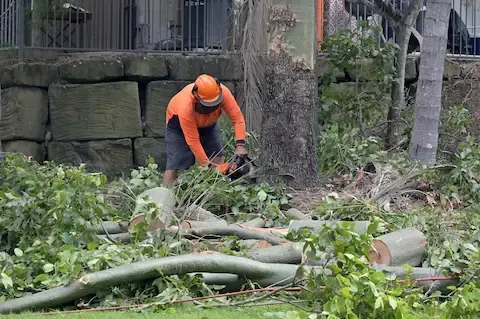
Professional tree trimming by licensed Longmont arborists who follow ISA pruning standards to keep your trees healthy and safe year-round.
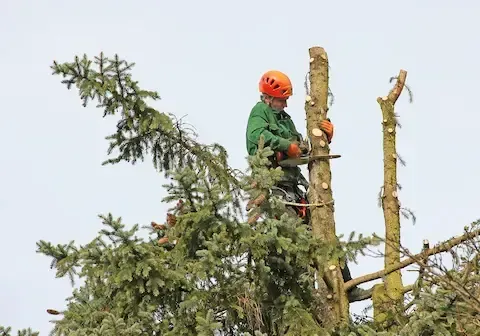
Safe and professional tree removal by licensed Longmont contractors equipped to handle any size job with full property protection.
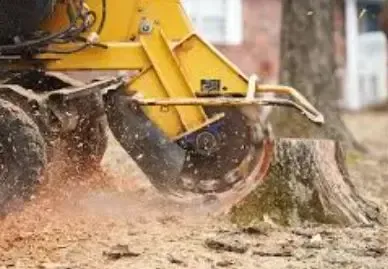
Fast and thorough stump grinding in Longmont that eliminates trip hazards, pest habitat, and eyesores from your property.
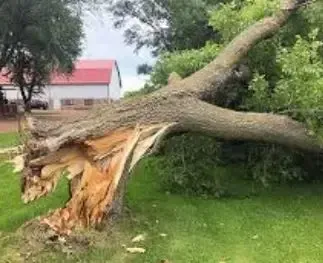
Rapid emergency tree response in Longmont for storm damage, fallen trees, and dangerous branches threatening your property.
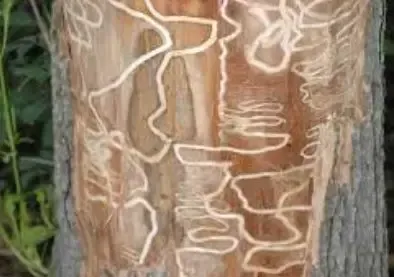
Certified arborists providing proven emerald ash borer trunk injection treatment to protect Longmont ash trees from EAB destruction.
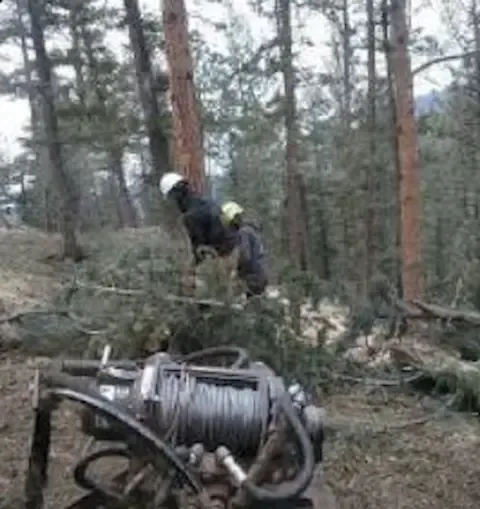
Professional fire mitigation and defensible space creation for properties near Longmont, including Wildfire Partners program coordination.
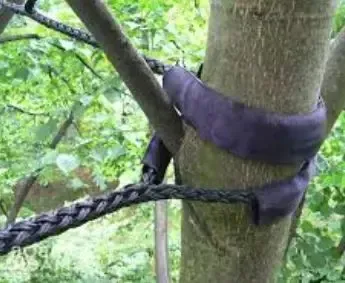
Expert tree cabling and bracing in Longmont that preserves valuable mature trees by reinforcing structural weak points against wind and snow.

Professional tree planting in Longmont with species selected for alkaline clay soils and Colorado's Front Range climate conditions.
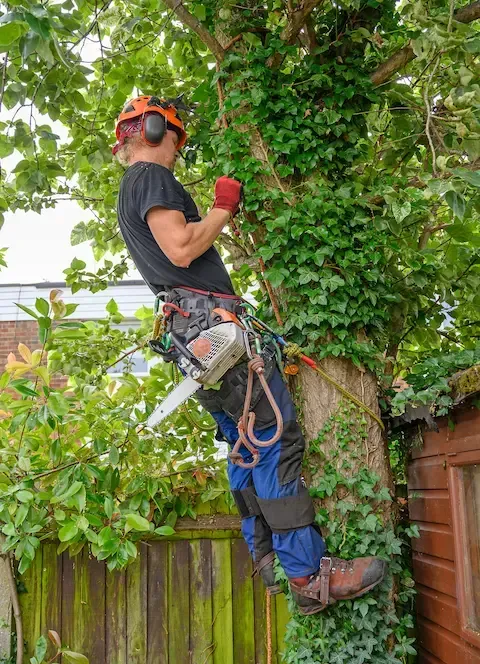
Comprehensive tree health care in Longmont including deep root fertilization, iron chlorosis treatment, and pest management programs.
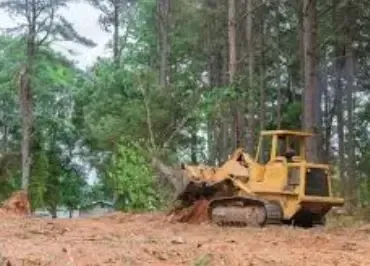
Complete land and lot clearing in Longmont for residential and commercial development including tree removal, grinding, and brush clearing.
Frequently Asked Questions
Tree Service can be complex, and we’re here to provide answers to common questions. Here are some frequently asked questions from our clients.
Frequently Asked Questions about Tree Service Longmont
How much does tree trimming cost in Longmont?
Tree trimming costs in Longmont typically range from $200 to $1,800 depending on the tree species, height, number of branches requiring work, and accessibility. Cottonwoods and mature elms along the St. Vrain corridor often fall on the higher end due to their size. We provide free on-site estimates so you know exactly what to expect before any work begins.
Does Longmont require tree contractors to be licensed?
Longmont requires all tree contractors performing work aloft to hold a City of Longmont Tree Contractor License under Municipal Code Chapter 6.88. Licensed contractors must carry $1,000,000 in general liability insurance and employ at least one ISA Certified Arborist. Always ask for proof of licensing before hiring anyone to work on your trees.
When is the best time to trim trees in Longmont?
The best time to trim most trees in Longmont is during late fall through early spring while they are dormant. This reduces stress on the tree and minimizes disease transmission risk. However, dead or hazardous branches should be removed immediately regardless of season. Spring-flowering trees like crabapples are best pruned right after they bloom.
How do I know if a tree needs to be removed?
Signs your tree may need removal include large dead branches in the crown, significant trunk decay or cavities, visible fungal growth at the base, severe lean that has changed recently, root heaving, and major structural cracks. If more than 50 percent of the crown is dead or damaged, removal is usually more practical than attempting to save the tree.
What is emerald ash borer and is it in Longmont?
Emerald ash borer was confirmed in Longmont in 2016 and now threatens every ash tree in the city. Treatment with trunk injection is most effective when started before significant canopy loss occurs. The City of Longmont Forestry Services maintains a public ash tree map and encourages private property owners to consult with a licensed tree contractor about treatment options.
Do I need fire mitigation for my property near Longmont?
After the 2021 Marshall Fire destroyed over 1,100 homes in Boulder County, wildfire mitigation became essential for properties near the foothills. Creating defensible space involves thinning trees, removing ladder fuels, and maintaining clearance zones around structures. Boulder County homeowners may qualify for 50 percent cost sharing through the Wildfire Partners program.
Need Tree Service?
What Our Satisfied Clients Have to Say About Front Range Tree Experts
We pride ourselves on delivering great results and experiences for each client. Hear directly from home and business owners who’ve trusted us with their Tree Service needs.

They removed a massive dead cottonwood that was leaning toward our garage after the spring snowstorm. The crew was professional, careful with our landscaping, and cleaned everything up perfectly. Best tree service experience we have had in Longmont.
— Longmont Homeowner
We hired them to treat our two large ash trees for emerald ash borer. They explained the treatment process clearly, answered all our questions, and followed up to check on the trees afterward. Very knowledgeable and honest about what our trees actually needed.
— Boulder County Resident
Called for emergency service after a wind event dropped a huge branch across our driveway. They responded the same day and had everything cleared within a couple hours. Fair price, great crew, and they even gave us recommendations for preventing future issues.
— Longmont Property Owner
The Trusted Tree Service Expert Near You
Ready to hear more about expert services at Front Range Tree Experts?
Contact us today to receive a detailed, no-obligation quote.


Serving Longmont and the surrounding Front Range cities
Mon-Fri, 8am-5pm