
Tree Service in Erie, CO for Newer Landscapes
Why Newly Planted Trees in Erie Need Early Attention
Rapid residential development has transformed the landscape across Erie's newer subdivisions, leaving thousands of recently planted trees without the structural foundation needed to handle Front Range weather. Builder-installed plantings often go in with minimal root establishment time before facing their first Chinook wind event or heavy spring snow. Young trees that are not structurally pruned within the first few growing seasons develop codominant leaders and weak branch attachments that become costly failures as the canopy matures. Open lot configurations in neighborhoods like Flatiron Meadows and Colliers Hill also expose plantings to sustained wind that older, sheltered communities rarely experience.
Addressing Wind and Snow Exposure on Erie Lots
Established sections of Erie closer to the original town center carry a different set of concerns. Older cottonwoods and elms on larger lots have reached sizes where deadwood accumulation, root plate instability, and canopy interference with structures become regular maintenance issues. These mature trees require periodic crown thinning to reduce snow loading, along with hazard assessments after major storm events. Properties transitioning from agricultural use to residential development may also contain remnant trees with structural weaknesses hidden beneath full canopies. Managing both the young plantings and the aging remnant stock requires a site-by-site approach grounded in local growing conditions.
Formative Pruning for Young Trees
Newly planted trees across Erie's subdivisions benefit most from formative pruning during their first three to five years in the ground. Correcting competing leaders, removing crossing branches, and establishing a dominant central stem during this window prevents the structural problems that lead to splitting and failure as the tree gains size. Builder-grade plantings frequently arrive with nursery defects that go unaddressed during installation, including girdling roots and improperly set root flares. Early intervention shapes the long-term architecture of each tree, reducing the frequency and cost of maintenance over the full life of the planting while improving wind resistance across exposed lots.
Wind Damage Repair and Prevention
Chinook winds regularly exceed sixty miles per hour along the northern Front Range, and Erie's open terrain amplifies the effect on residential properties. Broken leaders, torn branch unions, and uprooted trees after major wind events require prompt assessment to determine whether repair pruning can salvage the tree or removal is the safer path. Crown thinning reduces wind resistance in mature canopies by allowing air to pass through rather than catching like a sail. For trees with existing structural weaknesses, supplemental cable and brace systems can extend their functional life while reducing the risk of catastrophic failure during future high-wind events.
Stump Grinding and Site Clearing
Stump grinding removes the visible remnant of a removed tree and returns the site to a usable condition for turf restoration, replanting, or landscape modification. Grinding depth is typically set at six to twelve inches below grade, though deeper grinding accommodates sites where a new tree will occupy the same footprint. Erie properties converting from agricultural parcels or older residential lots may carry multiple stumps from trees removed years earlier that were never fully addressed. Grinding debris mixes with the surrounding soil as it decomposes, though backfilling with quality topsoil speeds the process and creates better conditions for whatever goes in next on the site.
Comprehensive Tree Service Services in Longmont
Tailored to Your Needs
Our Longmont tree service team provides comprehensive tree care solutions for residential and commercial properties throughout Boulder County. From routine maintenance and emergency response to specialized treatments and land clearing, every service is performed by licensed professionals following ISA best practices. Explore our full range of tree care services below.
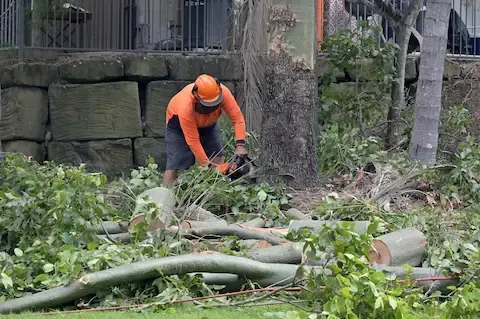
Professional tree trimming by licensed Longmont arborists who follow ISA pruning standards to keep your trees healthy and safe year-round.
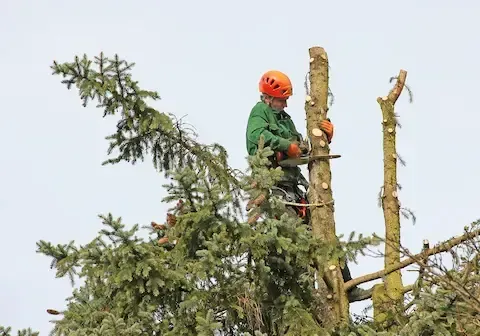
Safe and professional tree removal by licensed Longmont contractors equipped to handle any size job with full property protection.
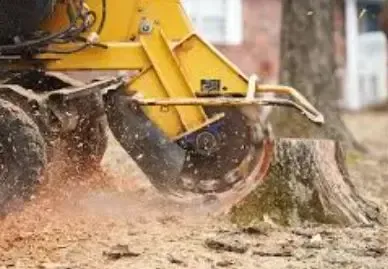
Fast and thorough stump grinding in Longmont that eliminates trip hazards, pest habitat, and eyesores from your property.
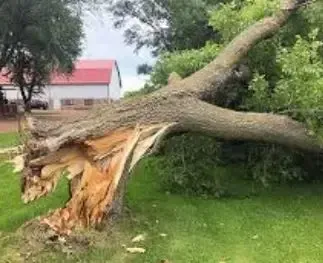
Rapid emergency tree response in Longmont for storm damage, fallen trees, and dangerous branches threatening your property.
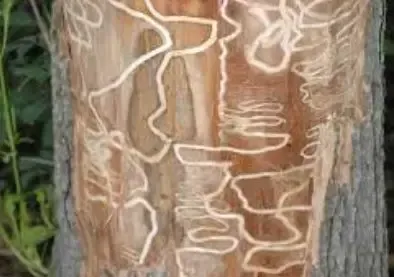
Certified arborists providing proven emerald ash borer trunk injection treatment to protect Longmont ash trees from EAB destruction.
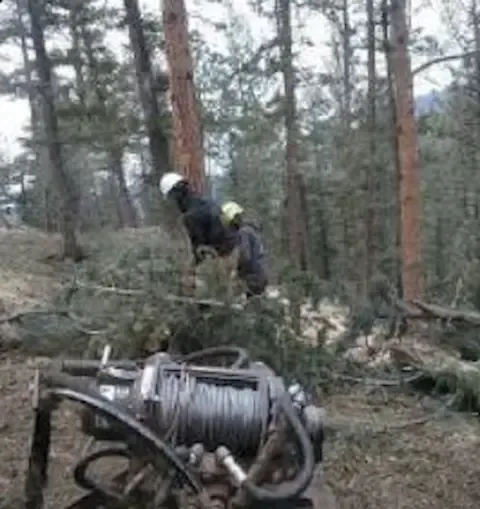
Professional fire mitigation and defensible space creation for properties near Longmont, including Wildfire Partners program coordination.
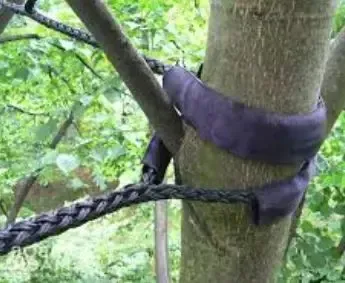
Expert tree cabling and bracing in Longmont that preserves valuable mature trees by reinforcing structural weak points against wind and snow.

Professional tree planting in Longmont with species selected for alkaline clay soils and Colorado's Front Range climate conditions.
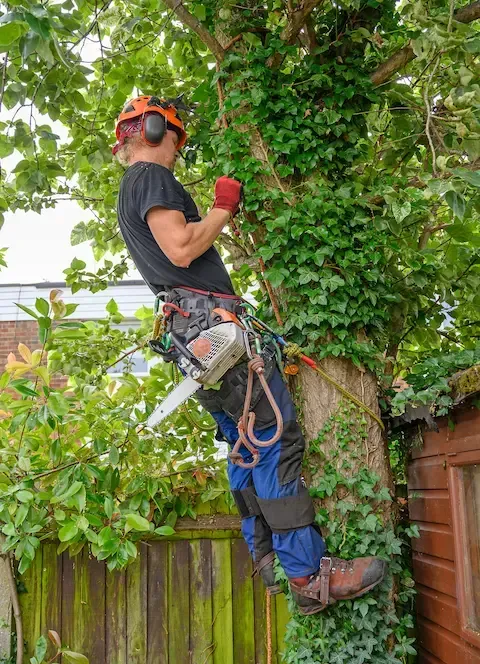
Comprehensive tree health care in Longmont including deep root fertilization, iron chlorosis treatment, and pest management programs.
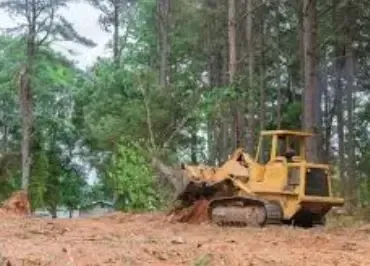
Complete land and lot clearing in Longmont for residential and commercial development including tree removal, grinding, and brush clearing.
Frequently Asked Questions
Tree Service can be complex, and we’re here to provide answers to common questions. Here are some frequently asked questions from our clients.
Frequently Asked Questions about Tree Service Longmont
How much does tree trimming cost in Longmont?
Tree trimming costs in Longmont typically range from $200 to $1,800 depending on the tree species, height, number of branches requiring work, and accessibility. Cottonwoods and mature elms along the St. Vrain corridor often fall on the higher end due to their size. We provide free on-site estimates so you know exactly what to expect before any work begins.
Does Longmont require tree contractors to be licensed?
Longmont requires all tree contractors performing work aloft to hold a City of Longmont Tree Contractor License under Municipal Code Chapter 6.88. Licensed contractors must carry $1,000,000 in general liability insurance and employ at least one ISA Certified Arborist. Always ask for proof of licensing before hiring anyone to work on your trees.
When is the best time to trim trees in Longmont?
The best time to trim most trees in Longmont is during late fall through early spring while they are dormant. This reduces stress on the tree and minimizes disease transmission risk. However, dead or hazardous branches should be removed immediately regardless of season. Spring-flowering trees like crabapples are best pruned right after they bloom.
How do I know if a tree needs to be removed?
Signs your tree may need removal include large dead branches in the crown, significant trunk decay or cavities, visible fungal growth at the base, severe lean that has changed recently, root heaving, and major structural cracks. If more than 50 percent of the crown is dead or damaged, removal is usually more practical than attempting to save the tree.
What is emerald ash borer and is it in Longmont?
Emerald ash borer was confirmed in Longmont in 2016 and now threatens every ash tree in the city. Treatment with trunk injection is most effective when started before significant canopy loss occurs. The City of Longmont Forestry Services maintains a public ash tree map and encourages private property owners to consult with a licensed tree contractor about treatment options.
Do I need fire mitigation for my property near Longmont?
After the 2021 Marshall Fire destroyed over 1,100 homes in Boulder County, wildfire mitigation became essential for properties near the foothills. Creating defensible space involves thinning trees, removing ladder fuels, and maintaining clearance zones around structures. Boulder County homeowners may qualify for 50 percent cost sharing through the Wildfire Partners program.
Need Tree Service?
What Our Satisfied Clients Have to Say About Front Range Tree Experts
We pride ourselves on delivering great results and experiences for each client. Hear directly from home and business owners who’ve trusted us with their Tree Service needs.

They removed a massive dead cottonwood that was leaning toward our garage after the spring snowstorm. The crew was professional, careful with our landscaping, and cleaned everything up perfectly. Best tree service experience we have had in Longmont.
— Longmont Homeowner
We hired them to treat our two large ash trees for emerald ash borer. They explained the treatment process clearly, answered all our questions, and followed up to check on the trees afterward. Very knowledgeable and honest about what our trees actually needed.
— Boulder County Resident
Called for emergency service after a wind event dropped a huge branch across our driveway. They responded the same day and had everything cleared within a couple hours. Fair price, great crew, and they even gave us recommendations for preventing future issues.
— Longmont Property Owner
The Trusted Tree Service Expert Near You
Ready to hear more about expert services at Front Range Tree Experts?
Contact us today to receive a detailed, no-obligation quote.


Serving Longmont and the surrounding Front Range cities
Mon-Fri, 8am-5pm