Emergency Tree Service in Longmont CO: 24-Hour Response
Emergency tree situations in Longmont demand immediate professional attention, especially when storms, high winds, or structural failures create safety hazards around your property. These urgent scenarios typically involve trees that have fallen across driveways, damaged rooflines, or created electrical hazards that require specialized equipment and expertise to resolve safely.
Understanding Emergency Tree Service Situations
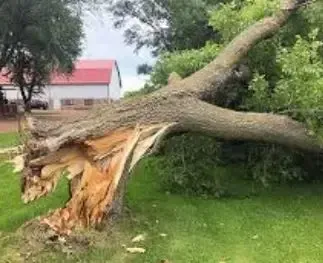
Emergency tree service encompasses situations where immediate action is necessary to prevent property damage, restore access, or eliminate safety hazards. In Longmont, these emergencies often occur during severe weather events, including the intense thunderstorms and wind events common to the Front Range area. Tree emergencies typically fall into several categories: complete tree failure where the entire tree has fallen, partial failure where major limbs have broken but remain attached, and hazard tree situations where a tree is severely compromised but hasn't yet failed.
Complete tree failure represents the most dramatic emergency scenario. When a mature cottonwood or ash tree falls completely, it can block entire streets, crush vehicles, or cause significant structural damage to homes. These situations require immediate response to clear access routes and prevent further damage. Partial failures, while less dramatic, can be equally dangerous as hanging limbs create ongoing hazards that may fall without warning.
Hazard trees present a different challenge, as they require professional assessment to determine the immediate risk level. These trees may show signs of severe lean, root uplift, or structural compromise following storm events. While they haven't failed yet, their condition makes failure likely, requiring prompt evaluation and often immediate removal to prevent injury or property damage.
24-Hour Response Timeline and Expectations
Professional emergency tree services in Longmont typically maintain 24-hour response capabilities, though response times vary based on several factors. During active storm events, response times may extend as crews prioritize the most severe hazards and work through multiple emergency calls simultaneously. Most established services aim to respond within 2-4 hours for true emergencies, though this timeframe can extend during widespread storm events affecting the greater Boulder County area.
The response process begins with an initial phone assessment where dispatchers gather critical information about the emergency. They'll ask about immediate safety concerns, accessibility issues, and whether utilities are involved. This information helps prioritize the response and ensures crews arrive with appropriate equipment. For situations involving power lines, the emergency tree service will coordinate with Xcel Energy to ensure electrical hazards are addressed before tree work begins.
Upon arrival, professional crews conduct a safety assessment of the entire situation. This includes evaluating the stability of remaining tree structure, identifying additional hazard trees that may have been compromised, and developing a work plan that prioritizes safety while efficiently resolving the emergency. The initial response often focuses on making the area safe and restoring basic access, with complete cleanup potentially scheduled for normal business hours if weather conditions make night work unsafe.
Typical Costs and Pricing Factors
Emergency tree service costs in Longmont reflect the urgency and additional risks associated with after-hours work. Standard emergency rates typically range from $1,500 to $4,500 for complete tree removal, with costs varying significantly based on tree size, location, and complexity of the removal process. These rates generally include a premium for immediate response, typically 1.5 to 2 times normal daytime rates.
Several factors influence emergency pricing beyond the base after-hours premium. Tree size remains the primary cost driver, with mature shade trees requiring specialized equipment and more extensive labor. Location factors significantly into pricing, particularly when trees have fallen on structures, vehicles, or in locations requiring careful rigging to prevent additional damage. Access challenges, such as trees in backyard locations requiring equipment to be brought through limited access points, add complexity and cost to emergency removals.
Equipment requirements also impact emergency pricing. Simple removals using standard equipment cost less than situations requiring cranes, specialized rigging equipment, or coordination with utility companies. Weather conditions during the emergency response may necessitate additional safety equipment and slower work processes, affecting overall costs. Most reputable services provide upfront pricing estimates before beginning work, allowing property owners to understand costs before authorizing emergency removal.
Insurance Considerations and Documentation
Homeowner's insurance typically covers emergency tree removal when the tree causes damage to covered structures or blocks necessary access to the property. However, coverage varies significantly between policies, and understanding your specific coverage before an emergency occurs helps streamline the claims process. Most policies require that the tree actually damage a covered structure to trigger removal coverage, meaning trees that fall on lawns or landscaping without structural impact may not be covered.
Proper documentation during emergency situations proves crucial for insurance claims processing. Take photographs of the damage from multiple angles before any work begins, including wide shots showing the overall situation and close-up images of specific damage points. Document the tree's condition before failure if possible, including any signs of disease or structural problems that may have contributed to the failure.
Professional emergency tree services familiar with insurance procedures can provide detailed written estimates and work documentation that supports your insurance claim. They understand the specific information insurance adjusters require and can provide photographs and descriptions that clearly document the emergency nature of the situation and the work performed to resolve it.
Immediate Safety Steps for Property Owners
When facing a tree emergency in Longmont, your immediate priority should be ensuring human safety and preventing additional property damage. If a tree has fallen on your home, evacuate the affected area immediately and avoid using electrical outlets or appliances in rooms where the tree has penetrated the roof or walls. Water infiltration through damaged roofing combined with electrical systems creates serious safety hazards.
Never attempt to remove fallen tree material yourself, particularly large limbs or trunk sections. Even seemingly stable tree debris can shift unexpectedly, causing serious injury. If the fallen tree involves power lines, treat all wires as energized and maintain a safe distance of at least 30 feet. Contact Xcel Energy immediately to report downed power lines before contacting tree services.
For trees that haven't fallen but show signs of severe damage or instability, establish a safety perimeter around the tree and avoid the area until professional assessment occurs. High winds or additional weather can cause compromised trees to fail without warning, making the area beneath and around damaged trees extremely hazardous.
Document the emergency situation thoroughly while maintaining safety. Take photographs from safe distances and avoid walking under or near damaged trees to get better images. This documentation proves valuable for both Emergency Tree Service providers who need to assess the situation and for insurance documentation purposes.
Working with Professional Emergency Services
Selecting the right emergency tree service provider requires quick decision-making during stressful situations, but certain criteria help ensure you're working with qualified professionals. Legitimate emergency tree services carry comprehensive insurance coverage, including general liability and workers' compensation, and can provide proof of coverage immediately when requested. They employ certified arborists or trained tree workers who understand proper safety procedures and emergency response protocols.
Established services maintain proper equipment for emergency situations, including lighting systems for safe night work, specialized rigging equipment for complex removals, and communication systems for coordinating with utility companies when necessary. They should provide clear, written estimates before beginning work and explain their pricing structure, including any after-hours premiums or additional charges for equipment requirements.
Reliable emergency services also understand the importance of complete cleanup and restoration. While immediate response focuses on safety and access, professional services return to complete debris removal, stump grinding if requested, and property restoration to pre-emergency conditions. They coordinate with other professionals when necessary, such as roofing contractors for emergency tarping or electrical contractors for utility service restoration.
Seasonal Patterns and Preparedness
Longmont's location along the Front Range creates specific seasonal patterns for tree emergencies that property owners should understand for better preparedness. Late spring and early summer bring intense thunderstorms with straight-line winds that can exceed 70 mph, creating the highest risk period for emergency tree situations. These storms often develop rapidly and can cause multiple tree failures across the community simultaneously.
Winter emergency situations typically involve ice storms or heavy, wet snow loads that exceed tree capacity. While less common than summer storm damage, winter tree emergencies present additional challenges due to weather conditions that may limit safe removal operations. Professional services maintain specialized equipment for winter emergency response, including heated equipment and additional safety gear for working in adverse conditions.
Fall represents another risk period, particularly for trees that have been stressed by drought conditions during summer months. The combination of leaf load and early season storms can cause failures in trees that appeared stable throughout the growing season. Regular inspection and maintenance by professionals familiar with the tree trimming walkthrough for Longmont can identify and address potential hazards before emergency situations develop.
Prevention and Long-Term Tree Health
While emergency tree services provide crucial response capabilities, proactive tree care significantly reduces the likelihood of emergency situations developing. Regular professional inspections, particularly before storm seasons, identify structural weaknesses, disease issues, and other factors that increase failure risk. Proper pruning techniques remove dead, diseased, and structurally weak branches that commonly fail during storms.
Understanding the specific tree species on your property helps predict potential failure modes and appropriate maintenance strategies. Cottonwoods, common throughout Longmont, are particularly susceptible to branch failure due to their rapid growth and brittle wood characteristics. Ash trees face ongoing threats from emerald ash borer, requiring specific monitoring and treatment protocols to maintain structural integrity.
Soil conditions and irrigation practices also influence tree stability and emergency risk. Overwatering can soften soil around root systems, increasing the likelihood of complete tree failure during wind events. Conversely, severe drought stress weakens trees and makes them more susceptible to disease and structural problems. Professional arborists can assess these factors and recommend appropriate care strategies for your specific property conditions.
Emergency tree service represents a critical safety resource for Longmont property owners, providing immediate response capabilities when trees fail or create hazardous conditions. Understanding the response process, cost factors, and safety procedures helps property owners navigate these stressful situations more effectively while ensuring the best possible outcome for both safety and property protection.
For related reading, see what to do after a tree falls on your home.
