Tree Trimming in Longmont CO: A Homeowner Walkthrough
Tree trimming represents one of the most essential maintenance practices for Longmont homeowners looking to preserve their property's landscape health and safety. The Front Range's unique climate conditions, combined with Longmont's elevation and seasonal weather patterns, create specific challenges that require professional attention throughout the year.
Understanding Longmont's Tree Trimming Requirements
Longmont's position along Colorado's Front Range creates distinct environmental pressures on residential trees. The combination of intense UV exposure, variable precipitation, and occasional severe weather events means trees require strategic pruning to maintain structural integrity. Most established neighborhoods in Longmont feature mature cottonwoods, ash trees, and various ornamental species that benefit from annual or biennial trimming cycles.
The city's ordinances generally support reasonable tree maintenance, though homeowners should verify any restrictions before major pruning projects. Properties near power lines or within designated tree preservation areas may require additional permits or utility coordination. Professional Tree Trimming services understand these local requirements and can navigate the permitting process when necessary.
Elevation plays a significant role in timing considerations. Longmont sits at approximately 4,900 feet, where growing seasons begin later and end earlier than lower elevation areas. This compressed timeline affects when trees can safely handle pruning stress without compromising their ability to recover before winter dormancy.
Optimal Timing for Front Range Tree Care
Late winter through early spring represents the ideal trimming window for most Longmont trees. February through April allows for structural pruning while trees remain dormant, minimizing stress and reducing disease transmission risks. This timing also precedes the active growing season, giving trees maximum recovery time before summer heat stress.
Summer trimming should generally be limited to emergency removals or light corrective pruning. The intense Colorado sun can damage freshly cut branches, and the stress of major pruning during active growth periods can weaken trees' resistance to drought conditions common in Longmont summers.
Fall presents mixed considerations. While temperatures moderate, many tree species begin preparing for winter dormancy. Light pruning may be acceptable for certain species, but major structural work should wait until late winter. Dead wood removal remains appropriate year-round, as it poses ongoing safety risks regardless of season.
Common Tree Species and Trimming Approaches
Cottonwoods dominate many Longmont neighborhoods, particularly in older residential areas near waterways. These fast-growing trees require regular attention to manage their brittle wood characteristics and tendency toward large branch failures. Professional trimming focuses on reducing wind sail areas while maintaining the tree's natural form.
Ash trees, while facing emerald ash borer concerns in some Colorado regions, remain common in Longmont landscapes. These trees respond well to crown thinning and deadwood removal but require careful timing to avoid attracting unwanted pests. Certified arborists can assess individual ash trees for appropriate maintenance schedules.
Ornamental species like flowering crabapples, honeylocusts, and various maple cultivars each present unique trimming requirements. Flowering trees often need post-bloom pruning to maintain flower production, while others benefit from dormant season work. Understanding species-specific needs prevents inadvertent damage to valuable landscape specimens.
Safety Considerations for Residential Properties
Longmont's periodic high wind events create ongoing safety concerns for homeowners with mature trees. Spring chinook winds can exceed 70 mph, placing enormous stress on tree structures. Professional trimming focuses on identifying and removing potentially hazardous branches before they become projectiles or cause property damage.
Proximity to structures requires specialized expertise. Many Longmont homes feature mature trees planted decades ago when properties had different configurations. Professional arborists assess clearance requirements for rooflines, power connections, and neighboring properties to determine appropriate pruning strategies.
Root system considerations become critical when trimming large trees. Excessive canopy reduction can create imbalances between above-ground and below-ground tree portions, potentially leading to stability issues during Longmont's occasional severe weather events.
Professional Equipment and Technique Standards
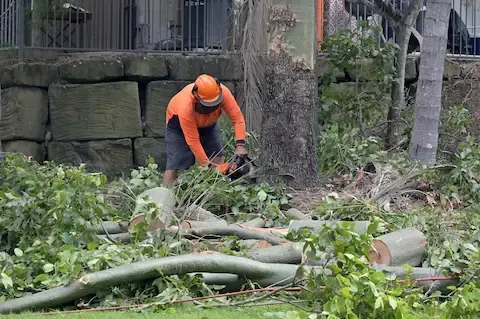
Modern tree trimming relies on specialized equipment designed to make precise cuts that promote proper healing. Professional services use sharp, sanitized tools appropriate for each cut size, from hand pruners for small branches to chainsaws for major removals. Proper cutting techniques prevent bark stripping and reduce disease entry points.
Climbing safety equipment ensures worker protection while providing access to all areas of tree canopies. Certified arborists use rope and rigging systems to control branch removal, preventing damage to landscape features, structures, or remaining tree portions. This equipment investment distinguishes professional services from casual tree workers.
Waste management represents a significant component of professional tree trimming. Longmont's residential waste disposal options may not accommodate large volumes of tree debris, making professional cleanup services valuable for homeowners. Many services offer wood chipping or removal options that eliminate homeowner disposal concerns.
Cost Factors and Value Considerations
Tree trimming costs in Longmont vary based on species, size, location, and complexity factors. Simple pruning on smaller ornamental trees typically costs less than major work on mature cottonwoods or trees requiring specialized access equipment. Most homeowners find that regular maintenance costs significantly less than emergency tree services following storm damage.
Property value protection represents a key economic consideration. Well-maintained trees contribute substantially to residential property values, while neglected or improperly pruned trees can detract from overall property appeal. Professional trimming maintains the investment value of mature landscape specimens.
Insurance implications may affect trimming decisions. Some homeowner policies require reasonable tree maintenance to maintain coverage for storm-related damages. Documentation of professional tree care can support insurance claims when unavoidable tree failures occur despite proper maintenance.
Seasonal Maintenance Planning
Developing a multi-year trimming schedule helps homeowners manage costs while ensuring optimal tree health. Young trees may benefit from annual attention to establish proper structure, while mature specimens might require service every two to three years depending on growth rates and species characteristics.
Spring assessments allow homeowners to identify winter damage and plan appropriate responses. Longmont's variable winter conditions can cause branch breakage, frost damage, or ice loading injuries that require prompt attention. Early identification prevents minor issues from developing into major problems.
Summer monitoring focuses on growth pattern observation and stress indicators. Excessive heat, drought conditions, or pest pressure may influence timing decisions for fall or following spring trimming schedules. Professional arborists can provide ongoing consultation throughout the growing season.
For comprehensive landscape management, homeowners often coordinate tree trimming with other services. more on tree removal in Longmont provides detailed information for properties requiring more extensive tree management beyond standard trimming maintenance.
Working with Certified Tree Care Professionals
Selecting qualified tree trimming services requires attention to certification, insurance, and local experience factors. ISA (International Society of Arboriculture) certification indicates professional training in proper tree care techniques, while comprehensive liability insurance protects homeowners from potential accidents during tree work.
Local experience matters significantly in Longmont's unique environmental conditions. Companies familiar with Front Range weather patterns, local tree species, and municipal requirements provide more effective service than general contractors without specialized tree care backgrounds.
Communication throughout the trimming process ensures homeowner satisfaction and appropriate tree care outcomes. Professional services provide detailed estimates, explain pruning objectives, and offer post-service care recommendations. This collaborative approach produces better long-term results for both tree health and property enhancement.
For related reading, see when to trim trees in Longmont for healthy growth.
