Tree Removal in Longmont CO: What Homeowners Need to Know
Removing a tree from your Longmont property involves more than simply cutting it down. Between city permits, safety considerations, and proper disposal methods, the process requires careful planning and professional expertise. Understanding these requirements helps you make informed decisions about tree removal on your property.
When Tree Removal Becomes Necessary
Several situations make tree removal the best option for Longmont homeowners. Dead or dying trees pose immediate safety risks, especially during Colorado's frequent windstorms and heavy snow loads. These compromised trees can drop large branches or fall completely, potentially damaging your home, vehicles, or neighboring properties.
Disease represents another common reason for removal. Dutch elm disease, emerald ash borer, and various fungal infections can spread rapidly through Longmont's urban forest if infected trees remain untreated. Early removal prevents contamination of healthy trees in your neighborhood.
Structural issues also necessitate removal. Trees with significant lean, root damage from construction, or major trunk defects become increasingly unstable over time. Storm damage may leave trees too compromised to recover safely, requiring complete removal rather than pruning.
Construction projects frequently require tree removal to accommodate new structures, driveways, or utility installations. While removing healthy trees for development feels difficult, proper planning can minimize the impact on your landscape.
Longmont's Permit Requirements and Regulations
The City of Longmont requires permits for removing certain trees on private property. Trees measuring six inches or larger in diameter at chest height typically need removal permits, though specific requirements vary by location and tree species.
Heritage trees receive special protection under city ordinances. These significant specimens, often large cottonwoods, oaks, or other mature trees, face stricter removal criteria. The city may require mitigation plantings or fees when heritage tree removal becomes necessary.
Property location affects permit requirements. Trees in flood plains, sensitive environmental areas, or designated historic districts face additional restrictions. Downtown properties and areas near natural features often have enhanced protection measures.
The permit application process involves submitting detailed information about the tree, removal reasons, and proposed timeline. Processing typically takes several business days, though complex cases requiring city arborist review may take longer. Applications require photographs, property surveys, and sometimes professional arborist reports.
Utility easements present special considerations. Trees near power lines, gas lines, or other utilities may require coordination with Xcel Energy or other service providers before removal begins.
Safety Considerations for Tree Removal
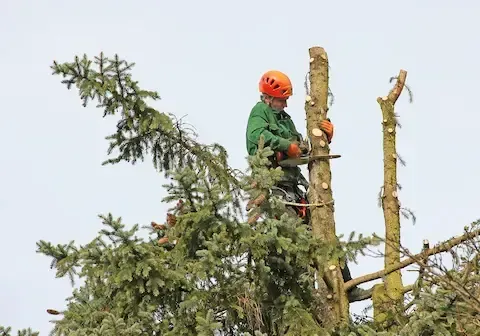
Professional tree removal prioritizes safety throughout the entire process. Tree Removal specialists use specialized equipment including cranes, bucket trucks, and rigging systems to control tree sections during removal.
Large trees near structures require careful planning to prevent property damage. Certified arborists calculate drop zones, use directional felling techniques, and employ rigging systems to lower sections safely. This precision work prevents damage to roofs, fencing, landscaping, and neighboring properties.
Power line proximity creates additional hazards requiring utility company coordination. Trees touching or near electrical lines need professional handling with proper safety equipment and procedures. Never attempt to remove trees near power lines yourself.
Ground conditions affect removal techniques. Wet soil, slopes, or confined spaces require modified approaches and additional safety measures. Professional crews assess site conditions before beginning work to ensure safe operations.
Weather conditions influence removal timing. High winds, ice, or storm conditions postpone removal operations until safe working conditions return. Professional services monitor weather forecasts and adjust schedules accordingly.
Choosing Professional Tree Removal Services
Certified arborists bring essential expertise to complex removal projects. International Society of Arboriculture certification ensures proper training in tree biology, safety procedures, and removal techniques. These professionals assess tree condition, recommend appropriate removal methods, and execute safe takedowns.
Insurance coverage protects your property during removal operations. Reputable tree services carry comprehensive liability insurance and workers' compensation coverage. Verify insurance certificates before work begins to protect yourself from potential claims.
Equipment quality affects both safety and efficiency. Professional services use commercial-grade chainsaws, chippers, bucket trucks, and rigging equipment maintained to industry standards. This equipment enables safe removal of large trees in challenging locations.
Local expertise matters for Longmont conditions. Companies familiar with local soil conditions, common tree species, and city regulations provide more effective service. They understand seasonal considerations and can navigate permit processes efficiently.
References and reviews reveal service quality and reliability. Check Better Business Bureau ratings, online reviews, and ask for local references. Established companies with strong local reputations typically provide more reliable service.
Cost Factors in Tree Removal
Tree size significantly impacts removal costs. Larger trees require more time, equipment, and labor to remove safely. Height, trunk diameter, and canopy spread all influence pricing estimates.
Location complexity affects pricing. Trees near structures, power lines, or in confined spaces require specialized techniques and additional safety measures. Easy access versus crane-required removals can double project costs.
Disposal requirements influence total costs. Some companies include debris removal and disposal in their base pricing, while others charge separately. Grinding stumps typically costs extra but provides better landscape results.
Permit fees add to total project costs. City permit costs vary based on tree size and location. Some situations require additional fees for heritage trees or environmental mitigation.
Seasonal demand affects pricing. Spring and summer typically see higher demand and pricing, while winter removal may offer cost savings despite challenging conditions.
Common Mistakes in Tree Removal
Attempting DIY removal of large trees creates serious safety risks. Homeowners underestimate the complexity of controlling falling tree sections and often cause property damage or personal injury. Professional equipment and expertise prevent these dangerous situations.
Ignoring permit requirements leads to fines and legal complications. The city actively enforces tree removal regulations, and violations can result in substantial penalties. Always verify permit requirements before beginning removal work.
Choosing the lowest bid without considering qualifications often creates problems. Uninsured or inexperienced contractors may cause property damage, incomplete removal, or safety incidents. Quality credentials and insurance matter more than lowest pricing.
Poor timing decisions can complicate removal projects. Removing trees during nesting season may violate wildlife protection laws. Weather conditions and seasonal factors affect both safety and costs.
Neglecting stump removal creates ongoing maintenance issues. Remaining stumps attract insects, sprout new growth, and interfere with landscaping. Complete removal including stumps provides better long-term results.
Environmental and Landscape Impact
Tree removal affects your property's environmental balance. Mature trees provide shade, wind protection, and wildlife habitat that takes years for replacement trees to duplicate. Consider the full environmental impact when making removal decisions.
Soil conditions change after tree removal. Large tree root systems help prevent erosion and manage water drainage. Removal may require additional drainage solutions or erosion control measures, especially on slopes.
Property values can be affected by tree removal decisions. Mature trees often increase property values, while removing significant specimens may reduce appeal to future buyers. Balance immediate needs against long-term property value considerations.
Replacement planning helps maintain your landscape's character. Professional arborists can recommend appropriate replacement species and optimal planting locations to restore your property's tree canopy over time.
Wildlife habitat considerations matter in Longmont's semi-urban environment. Mature trees provide nesting sites and food sources for birds and other wildlife. Replacement plantings should consider these habitat needs.
Post-Removal Considerations
Stump grinding typically follows tree removal. Professional stump grinders remove stumps below ground level, allowing for replanting or lawn restoration. This process prevents regrowth and eliminates tripping hazards.
Soil restoration may be necessary after large tree removal. Compacted soil from heavy equipment needs aeration and amendment before replanting. Professional services often include basic soil restoration in their removal packages.
Replacement planning should begin immediately after removal. Spring and fall offer optimal planting conditions in Colorado's climate. Selecting appropriate species for your location and maintenance preferences ensures successful establishment.
Property maintenance needs change after tree removal. Areas previously shaded may require different landscaping approaches. Irrigation needs, grass varieties, and plant selections may need adjustment for changed sunlight conditions.
Insurance notification may be required for significant tree removals. Some homeowner's insurance policies require notification when removing large trees that provided storm protection. Check with your insurance provider about any requirements.
Understanding these comprehensive aspects of tree removal helps Longmont homeowners make informed decisions about their landscape management. Professional guidance ensures safe, legal, and environmentally responsible tree removal that meets both immediate needs and long-term property goals.
For related reading, see the hazard tree warning signs every owner should watch for.
