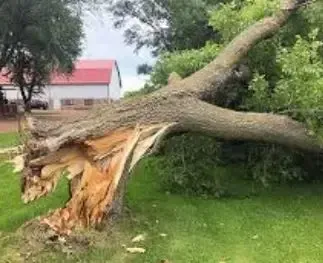
What to Do After a Tree Falls on Your Longmont CO Home
When a tree falls on your Longmont home, your first priority is ensuring everyone's safety, then documenting damage and contacting emergency services. Move family members away from the affected area, check for gas leaks or electrical hazards, and call 911 if there's immediate danger. Take photos for insurance purposes, contact your insurance company, and arrange for professional tree removal to prevent further structural damage to your property.
Step 1: Ensure Immediate Safety of All Occupants
Your safety comes before property concerns. Evacuate everyone from the immediate area where the tree made contact with your home. Check that all family members and pets are accounted for and uninjured. If anyone sustained injuries from falling debris or the impact, call 911 immediately.
Stay away from the fallen tree and damaged areas of your home. Trees under tension can shift unexpectedly, causing additional damage or injury. Avoid walking under damaged roof sections or near compromised walls that could collapse.
Step 2: Check for Utility Line Damage and Hazards
Inspect the area around the fallen tree for downed power lines, damaged gas meters, or broken water lines. Never touch or approach downed electrical wires, even if they appear inactive. Contact Xcel Energy immediately at their emergency line if you spot electrical hazards around your Longmont property.
If you smell gas near your home, evacuate the area immediately and call the gas company's emergency number. Avoid using electrical switches, phones, or creating sparks that could ignite gas leaks. Professional Emergency Tree Service crews are trained to work safely around utility lines during removal operations.
Step 3: Document the Damage Thoroughly
Take extensive photographs of the fallen tree, damaged areas of your home, and surrounding property from multiple angles. Include wide shots showing the tree's position and close-up photos of specific damage points like broken roofing, siding, or windows.
Document the tree's species, approximate size, and condition before it fell if possible. Note weather conditions that may have contributed to the failure. This documentation will be crucial for insurance claims and helps tree removal professionals assess the situation when they arrive.
Step 4: Contact Your Insurance Company Immediately
Call your homeowner's insurance provider as soon as possible to report the incident. Many insurance companies have 24-hour claim reporting lines for emergencies. Provide them with your documentation and ask about coverage for tree removal, structural repairs, and temporary housing if needed.
Ask your insurance representative about approved contractors and whether they require estimates from multiple tree removal services. Some policies cover emergency tree removal when it threatens additional property damage, while others may have specific requirements for documentation.
Step 5: Arrange for Emergency Tree Removal
Contact professional tree removal services that operate in the Longmont area with 24-hour emergency response capabilities. Emergency tree removal requires specialized equipment and expertise, especially when trees are entangled with roofing materials, power lines, or structural elements.
Reputable emergency tree services will provide immediate response for dangerous situations and can often provide temporary stabilization to prevent further damage while you arrange for permanent repairs. They coordinate with utility companies when necessary to ensure safe removal procedures.
Step 6: Secure Your Property from Weather Exposure
If the fallen tree created openings in your roof or walls, take steps to protect your home's interior from weather damage. Use tarps, plastic sheeting, or plywood to cover exposed areas temporarily. Many insurance policies require homeowners to take reasonable steps to prevent additional damage.
Board up broken windows and secure any compromised doors. If you're uncomfortable performing these tasks safely, many emergency tree removal companies also provide temporary property protection services as part of their response.
Step 7: Coordinate with Local Longmont Authorities
If the fallen tree blocks public roads, sidewalks, or affects city property, contact Longmont Public Works immediately. The city maintains emergency response protocols for trees that impact public infrastructure or create public safety hazards.
Check if you need permits for tree removal or structural repairs. The City of Longmont may require inspections for certain types of damage, especially if the incident affects neighboring properties or city utilities. For comprehensive guidance, review our emergency tree notes for Longmont to understand local response procedures.
Step 8: Plan for Professional Structural Assessment
Once the tree is safely removed, arrange for a professional structural assessment of your home. Even if damage appears minimal from the outside, the impact may have affected your home's structural integrity, especially around the foundation, load-bearing walls, or roof support systems.
Document any recommendations from structural engineers and provide this information to your insurance adjuster. This assessment helps ensure all necessary repairs are identified and completed properly, preventing future problems that might not be immediately visible.
