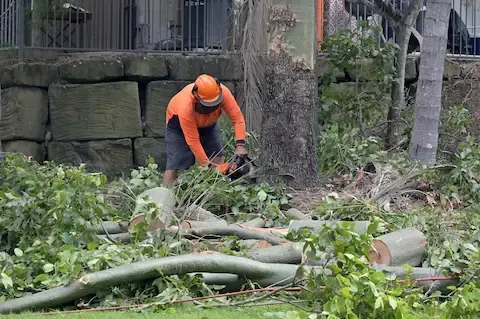
When to Trim Trees in Longmont CO for Healthy Growth
The best time to trim trees in Longmont, CO is during late winter through early spring, typically February through April, when trees are dormant and before new growth begins. This timing minimizes stress on trees and reduces disease transmission risk in our Front Range climate.
Why does timing matter for tree trimming in Longmont?
Proper timing protects your trees from several risks common to our Colorado climate. During dormancy, trees have sealed their wounds naturally and aren't actively growing, which means trimming cuts heal faster and cleaner. Late winter pruning also allows you to see the tree's structure clearly without leaves, making it easier to identify problem branches, crossing limbs, and areas that need attention.
Disease transmission drops significantly during colder months because many fungal pathogens and insects remain inactive. This protective window is especially important for species like oak and elm trees that face serious disease pressures in warmer weather.
What are the ideal months for different tree species in Longmont?
Most deciduous trees in Longmont benefit from trimming between February and early April. Maples, ash trees, and most fruit trees respond well to late winter pruning before their buds break. You'll see these trees throughout Longmont neighborhoods, and this timing helps them direct energy into healthy new growth come spring.
Evergreen trees like pines and spruces can handle trimming year-round but perform best when pruned in late winter or early summer after their growth flush. These trees are common along Longmont's foothills and need careful timing to maintain their natural shape.
Oak trees require special attention in our area. Never trim oaks between April and October due to oak wilt disease risk. The beetles that spread this fatal disease are most active during warm months, making late winter the only safe trimming window for these valuable trees.
When should you avoid trimming trees in Longmont?
Summer trimming poses several problems in Longmont's climate. High temperatures stress freshly cut branches, and many disease-carrying insects peak during warm months. July and August bring intense sun that can sunburn newly exposed bark, particularly damaging to thin-barked species like maples and ash trees.
Fall trimming stimulates new growth that won't have time to harden off before winter. This tender growth becomes vulnerable to Longmont's sudden temperature drops and early freezes, which can occur as early as September in some years.
Avoid trimming during active growing periods in spring unless you're dealing with emergency situations like storm damage or safety hazards. Tree Trimming during active growth wastes the tree's stored energy reserves.
How do Longmont's weather patterns affect trimming schedules?
Longmont's elevation at 4,984 feet creates unique timing considerations. Our last frost typically occurs in mid to late May, which extends the safe trimming window later than lower elevation areas. However, sudden spring snowstorms can damage freshly pruned trees, so monitoring weather forecasts becomes crucial.
The Front Range experiences rapid temperature swings that can stress recently trimmed trees. Planning your trimming for stable weather periods, typically found in February and March, helps trees recover without additional weather stress.
Wind is another factor specific to our area. Longmont's position along the foothills creates wind corridors that can dry out fresh cuts quickly. This makes proper wound care and timing even more important for successful tree trimming outcomes.
What emergency situations override normal timing rules?
Safety always takes precedence over optimal timing. Remove dead, damaged, or hazardous branches immediately regardless of season. Storm damage, common during Longmont's spring and summer weather events, requires prompt attention to prevent further tree damage or property risk.
Diseased branches should be removed as soon as you identify them, but take extra precautions during active disease seasons. Sterilize tools between cuts and dispose of infected material properly to prevent spread to healthy trees.
For comprehensive guidance on proper techniques and safety considerations, review the tree trimming walkthrough for Longmont before beginning any major pruning project.
How should you prepare for optimal trimming timing?
Start planning your trimming schedule in January by assessing your trees during their dormant state. This preparation time allows you to identify which trees need attention and schedule professional services before the busy spring season begins.
Monitor local weather patterns and be flexible with your timing. A mild February might allow earlier trimming, while a harsh late winter could push optimal timing into April. The key is maintaining that dormant season advantage while avoiding extreme weather events.
Remember that proper timing is just one element of successful tree care. Combine optimal scheduling with proper techniques, clean tools, and appropriate follow-up care to ensure your Longmont trees remain healthy and vigorous throughout the growing season.
