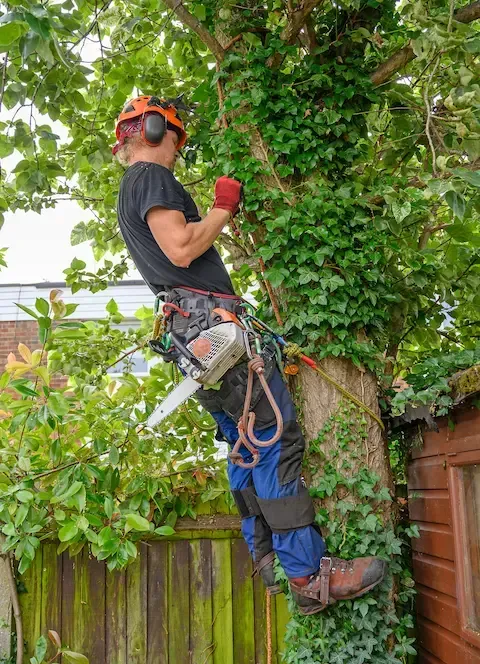
Tree Health Care in Longmont CO: A Homeowner Roadmap
Your trees represent a significant investment in your Longmont property's beauty, value, and environmental benefits. But keeping them healthy requires more than occasional watering and hoping for the best. Colorado's Front Range climate presents unique challenges that demand a proactive, year-round approach to tree care. From late spring freezes that can damage new growth to summer heat stress and winter desiccation, your trees face seasonal pressures that can compromise their long-term health without proper intervention.
Understanding how to maintain tree health in Longmont means recognizing the interconnected systems that keep your trees thriving. Soil conditions, moisture levels, pest populations, and pruning schedules all work together to either support or undermine your trees' vitality. When one element falls out of balance, it creates cascading effects that can weaken your trees' natural defenses and leave them vulnerable to disease, insect damage, or environmental stress.
Essential Elements of Tree Health Assessment
A comprehensive tree health evaluation begins with understanding what healthy trees look like in your specific location. In Longmont's semi-arid climate, healthy trees display vibrant foliage appropriate to the season, strong branch structure, and steady annual growth. However, subtle signs of decline often appear months before obvious symptoms become visible to untrained eyes.
Soil testing forms the foundation of any serious tree health program. Colorado's alkaline soils can limit nutrient availability, particularly iron and manganese, leading to chlorosis in susceptible species. Professional soil analysis reveals pH levels, nutrient deficiencies, and compaction issues that directly impact root development and overall tree vigor. This information guides targeted fertilization programs and soil improvement strategies tailored to your specific landscape conditions.
Root system evaluation requires careful attention to signs of damage, disease, or environmental stress. Girdling roots, often invisible beneath the soil surface, can slowly strangle trees over many years. Surface root inspection reveals patterns that indicate whether trees are receiving adequate water and nutrients. Changes in root flare visibility, soil level, or drainage patterns around the base of trees provide early warning signs of developing problems.
Crown assessment involves examining branch structure, leaf density, and growth patterns throughout the canopy. Dead, damaged, or diseased branches create entry points for pathogens and insects. Weak branch attachments, particularly those with included bark or narrow crotch angles, represent potential failure points during Longmont's occasional severe weather events. Professional evaluation identifies these structural issues before they become safety hazards.
Seasonal Care Requirements Throughout the Year
Spring care activities focus on recovery from winter stress and preparation for the growing season. Late freezes common in the Longmont area can damage new growth, requiring careful monitoring and potential protective measures for sensitive species. Soil moisture assessment becomes critical as trees break dormancy and begin active growth. Irrigation system inspection ensures adequate water delivery before peak demand periods arrive.
Early spring pruning addresses winter damage and structural issues identified during dormant season evaluations. Removal of storm-damaged branches prevents pest attraction and disease development. Crown cleaning eliminates dead, dying, and weakly attached branches that could become problematic during summer thunderstorms. Proper pruning cuts promote healthy wound closure and reduce infection risks.
Summer management centers on water stress prevention and pest monitoring. Colorado's intense UV radiation and low humidity create challenging conditions for many tree species. Deep, infrequent watering encourages deep root development while preventing shallow root systems vulnerable to heat stress. Mulching around trees conserves soil moisture, moderates soil temperature, and reduces competition from grass and weeds.
Pest populations typically peak during summer months, making regular scouting essential for early detection and intervention. Common Front Range pests like aphids, spider mites, and scale insects can rapidly build populations under hot, dry conditions. Tree Health Care programs include systematic monitoring protocols that identify pest issues before they cause significant damage.
Fall preparation involves hardening trees for winter conditions and addressing issues identified throughout the growing season. Proper fall watering helps trees enter dormancy with adequate moisture reserves. Fertilization programs may include fall applications of phosphorus and potassium to support root development and cold tolerance. Structural pruning can continue on appropriate species while avoiding cuts that stimulate new growth susceptible to frost damage.
Winter protection strategies become particularly important for newly planted trees and species marginally adapted to Longmont's climate zone. Anti-desiccant sprays protect evergreen foliage from winter burn caused by dry winds and intense sunlight. Tree wraps shield thin-barked species from sun scald and frost cracking. Snow and ice load management prevents branch breakage from accumulating precipitation.
Common Health Issues and Early Detection Methods
Recognizing early symptoms of tree health problems allows for timely intervention that can prevent serious damage or tree loss. Many health issues develop gradually, making regular observation and documentation essential for effective management. Changes in leaf color, size, or timing often indicate underlying stress factors that require professional evaluation.
Chlorosis, characterized by yellowing leaves with green veins, commonly affects trees in Colorado's alkaline soils. Iron deficiency chlorosis particularly impacts pin oaks, maples, and other acid-loving species planted in unsuitable soil conditions. Early detection allows for targeted treatment with soil amendments or injection therapies that can restore normal leaf color and function.
Fungal diseases thrive in specific environmental conditions that vary throughout the year. Fire blight affects apple, crabapple, and related species during wet spring weather, causing branch dieback that resembles fire damage. Cytospora canker attacks stressed conifers, creating sunken areas on bark that eventually girdle branches or trunks. Understanding disease cycles helps time preventive treatments and management strategies.
Insect damage patterns provide clues about pest identity and appropriate treatment timing. Emerald ash borer creates distinctive D-shaped exit holes and serpentine galleries under bark, while pine beetles leave characteristic pitch tubes and boring dust. Early detection of these invasive pests allows for targeted treatments that can save valuable trees.
Environmental stress symptoms often mimic disease or pest damage, making accurate diagnosis critical for effective treatment. Drought stress, salt damage from winter road treatments, and construction injury all create specific symptom patterns. Professional evaluation distinguishes between biotic and abiotic stress factors, ensuring appropriate management responses.
Professional Services vs. DIY Tree Care Approaches
Understanding which tree care activities you can safely handle yourself versus those requiring professional expertise protects both your trees and your personal safety. Basic maintenance tasks like mulching, watering, and minor pruning of small branches fall within most homeowners' capabilities with proper equipment and knowledge. However, many aspects of comprehensive tree health care require specialized training, equipment, and experience.
Structural pruning of large trees poses significant safety risks and requires understanding of tree biology to avoid permanent damage. Improper pruning cuts can create decay pockets, weaken branch attachments, or stimulate excessive growth that compromises tree structure. Professional arborists understand species-specific response patterns and timing requirements for various types of pruning work.
Chemical applications for pest control or disease management require proper licensing, specialized equipment, and knowledge of application timing and environmental conditions. Many effective treatments are restricted-use pesticides available only to certified applicators. Professional applicators understand integrated pest management principles that minimize environmental impact while maximizing treatment effectiveness.
Soil improvement programs often involve heavy equipment and specialized materials that exceed typical homeowner resources. Deep root fertilization, soil decompaction, and drainage modifications require professional-grade equipment and expertise. These treatments can significantly improve tree health when properly implemented but may cause damage if performed incorrectly.
Diagnostic services represent perhaps the most valuable professional contribution to tree health programs. Accurate identification of problems allows for targeted treatments that address root causes rather than just symptoms. Professional arborists trained in plant pathology and entomology can distinguish between similar-appearing problems that require completely different management approaches.
Local Climate Considerations for Longmont Trees
Longmont's location along Colorado's Front Range creates unique growing conditions that significantly impact tree health and management requirements. The city sits at approximately 5,000 feet elevation, placing it in USDA hardiness zone 5b with occasional dips into zone 5a during severe winters. This elevation and geographic position create temperature fluctuations and weather patterns that challenge many tree species.
Chinook winds represent one of the most significant local weather phenomena affecting tree health. These warm, dry downslope winds can raise temperatures 40 degrees or more within hours, creating rapid freeze-thaw cycles that stress tree tissues. The sudden temperature changes can cause bark splitting, particularly on thin-barked species like honeylocust and maple. Wind speeds during chinook events can exceed 100 mph, creating additional mechanical stress on tree structures.
Precipitation patterns in the Longmont area follow typical Front Range characteristics with most annual moisture falling during spring months. Late spring snowstorms can damage trees already leafed out, while summer precipitation often comes as intense thunderstorms that provide limited soil penetration. Fall and winter months typically receive minimal precipitation, creating extended dry periods that stress tree root systems.
Soil conditions throughout the Longmont area reflect the region's geological history and climate patterns. Clay soils predominant in many neighborhoods create drainage challenges during wet periods while becoming concrete-hard during dry spells. High pH levels common in local soils limit availability of essential nutrients, particularly iron and manganese. These conditions require specific management approaches including soil amendments, modified irrigation practices, and careful species selection for new plantings.
Microclimates within the city create additional complexity for tree management programs. Properties near the foothills experience different temperature and precipitation patterns than those in central urban areas. South-facing exposures receive intense solar radiation that can stress trees not adapted to high-altitude UV levels. Understanding these local variations allows for more precise care recommendations tailored to specific site conditions.
Building an Effective Annual Tree Care Schedule
Developing a systematic approach to tree care ensures that all essential activities occur at optimal timing while preventing important tasks from being overlooked. An effective schedule balances tree biological cycles with local climate patterns and practical considerations like contractor availability and budget constraints. Regular scheduling also allows for early problem detection and intervention before minor issues become major expenses.
Late winter activities focus on dormant season pruning and planning for the upcoming growing season. February through early March represents ideal timing for structural pruning on most deciduous species before sap flow begins. This timing minimizes stress on trees while allowing wounds to begin healing as growth resumes. Dormant season pruning also provides clear visibility of branch structure without leaf interference.
Early spring tasks include soil testing, irrigation system startup, and fertilization programs. Soil analysis conducted before root activity begins provides baseline information for the growing season. Irrigation system inspection and repairs ensure adequate water availability as temperatures warm and root activity increases. Slow-release fertilizer applications in early spring provide nutrients throughout the growing season.
Late spring activities center on pest monitoring and protective treatments. Many insect pests begin activity as temperatures consistently reach specific thresholds, making early detection critical for effective management. Preventive treatments for problems like emerald ash borer or pine beetle require precise timing to intercept pest life cycles. the stump grinding breakdown for Longmont owners becomes relevant when prevention efforts fail and tree removal becomes necessary.
Summer monitoring focuses on water stress prevention and ongoing pest surveillance. Regular deep watering maintains soil moisture during hot, dry periods while encouraging deep root development. Weekly visual inspections identify developing problems before they become severe. Adjustment of irrigation schedules based on weather conditions and tree response optimizes water use efficiency.
Fall preparation includes final fertilization, winter protection installation, and planning for next year's activities. Phosphorus and potassium applications in fall support root development and cold hardiness. Protective wraps and screens installed before severe weather protect vulnerable trees from winter injury. Documentation of the year's observations and treatments informs planning for subsequent seasons.
Investment Protection Through Preventive Care
Mature trees represent substantial financial investments that appreciate over time when properly maintained but become expensive liabilities when neglected. Large shade trees can add thousands of dollars to property values while providing energy savings, air quality improvement, and aesthetic benefits. However, the cost of removing large damaged trees often exceeds the investment in preventive care programs by significant margins.
Emergency tree services during storms or after tree failures typically cost several times more than scheduled maintenance work. Emergency response requires immediate availability, specialized equipment, and often complicated removal procedures around structures or utility lines. Preventive care that identifies and addresses structural weaknesses before failure eliminates these costly emergency situations while protecting property and personal safety.
Insurance considerations increasingly factor into tree management decisions as companies scrutinize properties for potential liability issues. Well-maintained trees with documented care histories demonstrate responsible property management that can influence coverage decisions and claim settlements. Professional documentation of tree condition and maintenance activities provides valuable protection in case of damage claims or disputes.
Long-term care programs spread costs over many years while building tree health and resistance to stress factors. Young trees receiving proper establishment care develop strong root systems and structure that support decades of healthy growth. Mature trees enrolled in preventive care programs maintain vitality longer and require less expensive interventive treatments over time.
For related reading, see why maples and river birch yellow with iron chlorosis.
