Stump Grinding in Longmont CO: A Complete Walkthrough
Stump grinding transforms your Longmont property by completely removing unsightly tree remnants that detract from your landscape's appearance and functionality. This mechanical process uses specialized equipment to grind stumps below ground level, eliminating tripping hazards and freeing up valuable yard space for new plantings, walkways, or outdoor features.
Understanding the Stump Grinding Process
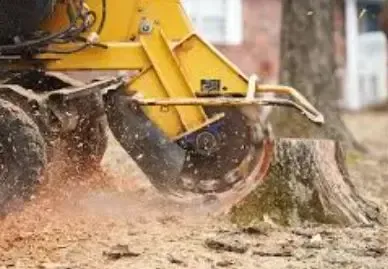
Professional stump grinding involves using a powerful machine equipped with a rotating cutting wheel that chips away wood material incrementally. The grinder approaches the stump from various angles, systematically reducing the entire structure to small wood chips. This process typically extends 6 to 12 inches below the soil surface, ensuring complete removal of visible stump material.
The grinding wheel contains sharp carbide teeth that slice through wood fibers efficiently. Operators control the machine's movement and depth, carefully navigating around obstacles like sprinkler systems, utility lines, or decorative elements in your yard. Modern stump grinders can handle stumps ranging from small ornamental trees to massive cottonwoods common throughout Longmont neighborhoods.
Most residential projects require between one to four hours, depending on stump size, root system complexity, and site accessibility. Stump Grinding professionals assess each situation individually, determining the most efficient approach for your specific circumstances.
Depth Requirements and Specifications
Standard grinding depth ranges from 6 to 8 inches below ground level, which accommodates most landscaping and replanting needs. However, certain situations require deeper grinding, particularly when installing new structures or planting large replacement trees in the same location.
For basic lawn restoration or flower bed installation, 6-inch depth typically suffices. This level removes all visible stump material while allowing grass seed or sod to establish successfully. Construction projects or pool installations may require grinding 12 to 18 inches deep, ensuring no interference with foundation work or excavation activities.
Root system considerations also influence grinding depth. Large trees like maples or oaks often have extensive surface roots extending several feet from the main trunk. Complete removal may require additional grinding around the perimeter, addressing these secondary root systems that could interfere with future landscaping plans.
Soil conditions in Longmont's clay-heavy areas can complicate deeper grinding operations. Professional operators adjust their techniques based on soil composition, ensuring thorough stump removal without excessive disruption to surrounding landscape features.
Cost Factors and Pricing Structure
Stump grinding costs typically range from $75 to $400 per stump, with pricing determined by diameter, location accessibility, and grinding depth requirements. Small stumps under 12 inches diameter usually fall on the lower end of this range, while large stumps exceeding 24 inches command higher prices.
Additional factors affecting cost include site accessibility, underground utilities presence, and cleanup requirements. Stumps located in tight spaces between buildings or near valuable landscaping elements require more careful operation, potentially increasing service time and associated costs.
Many Longmont tree service companies offer package pricing for multiple stumps, providing cost savings when addressing several removals simultaneously. This approach proves particularly beneficial for properties with multiple trees removed during storm damage cleanup or landscape renovation projects.
Travel time and equipment mobilization also influence pricing, especially for single stump removals in remote locations. Combining stump grinding with other tree services often provides better overall value, maximizing the efficiency of equipment setup and operator time.
Seasonal Timing Considerations
Spring and fall represent optimal seasons for stump grinding in Longmont, offering moderate temperatures and generally favorable weather conditions. These periods also align well with broader landscaping projects, allowing homeowners to coordinate stump removal with lawn renovation, garden installation, or other outdoor improvements.
Summer grinding remains viable but may require scheduling around extreme heat periods that stress both equipment and operators. Early morning or late afternoon appointments during summer months often provide the most comfortable working conditions while avoiding peak temperature periods.
Winter grinding presents unique challenges related to frozen ground conditions and equipment accessibility. However, dormant season removal offers advantages for certain situations, particularly when surrounding vegetation is less likely to suffer damage from equipment operation.
Weather delays occasionally affect scheduling, especially during Colorado's unpredictable spring weather patterns. our emergency tree notes for Longmont provide additional insights into weather-related service considerations throughout the region.
Equipment Types and Capabilities
Self-propelled track units represent the most versatile stump grinding equipment, capable of navigating varied terrain while providing substantial grinding power. These machines typically feature 35 to 75 horsepower engines driving cutting wheels equipped with multiple carbide teeth designed for efficient wood removal.
Smaller wheeled units offer advantages in delicate situations where minimal lawn damage is prioritized. These machines provide adequate power for residential-sized stumps while creating less ground disturbance around flower beds, irrigation systems, or newly installed landscaping elements.
Remote-controlled units excel in extremely tight spaces or hazardous locations where operator safety concerns limit traditional equipment access. Though smaller and potentially slower, these specialized machines can address stumps in locations impossible for conventional equipment to reach.
Cutting wheel configurations vary based on intended applications, with some designed for speed and others optimized for precision work around sensitive areas. Professional operators select appropriate equipment based on your specific site conditions and project requirements.
Preparation and Site Considerations
Property preparation significantly impacts grinding efficiency and final results. Removing rocks, decorative elements, or irrigation components from the immediate stump area prevents equipment damage and ensures smooth operation. Mark underground utilities using Colorado's 811 system at least two business days before scheduled grinding.
Access route planning ensures equipment reaches work areas without damaging lawn, driveway, or landscape features. Most professional-grade stump grinders require at least 3 feet of clearance width and adequate overhead space for safe operation.
Surrounding plant protection may require temporary barriers or protective coverings, especially for valuable ornamental plants or newly installed landscaping elements. Professional crews typically provide these protective measures as part of their standard service approach.
Cleanup preferences should be discussed during initial consultations. Some homeowners prefer wood chip removal, while others utilize the material for mulching or composting purposes. Clear communication regarding cleanup expectations prevents misunderstandings and ensures satisfactory project completion.
Post-Grinding Landscape Integration
Fresh wood chips generated during grinding create excellent mulch material for flower beds, tree rings, or pathway applications throughout your Longmont property. These chips typically cure for several months before becoming suitable for direct plant contact, making them ideal for decorative applications or composting.
Soil amendment may be necessary in the grinding area, particularly when installing new plantings. Stump grinding creates a depression that requires filling with quality topsoil before seeding or sodding. Professional landscapers often recommend soil testing to ensure optimal growing conditions for replacement vegetation.
Grass establishment in former stump locations benefits from proper soil preparation and appropriate seed selection for local growing conditions. Colorado's variable climate requires hardy grass varieties that tolerate both drought and occasional heavy moisture periods common in the Front Range region.
Alternative landscape options include converting former stump locations into decorative features like rock gardens, water elements, or expanded planting beds. These approaches can enhance property value while addressing challenging growing conditions that sometimes persist in areas with extensive root system disturbance.
