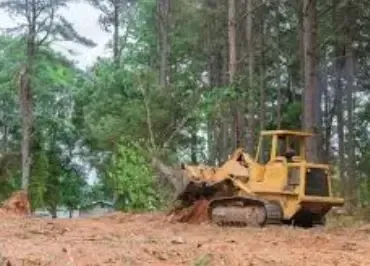
Land and Lot Clearing in Longmont CO: Project Overview
Land and lot clearing projects in Longmont require careful planning, proper equipment, and thorough understanding of local regulations. Whether you're preparing a residential lot for construction, clearing brush for fire mitigation, or opening up acreage for agricultural use, each project involves multiple phases that must be executed systematically to ensure safety, compliance, and optimal results.
Project Assessment and Planning Phase
Every land clearing project begins with a comprehensive site evaluation. Professional crews examine the terrain, identify existing vegetation types, and assess soil conditions throughout the property. This initial assessment determines the scope of work, equipment requirements, and timeline for completion.
Boulder County's diverse landscape presents unique challenges for clearing projects. Properties may contain everything from dense scrub oak thickets to mature cottonwood groves, each requiring different removal techniques. Slopes, drainage patterns, and proximity to neighboring structures all influence the clearing approach.
Environmental considerations play a crucial role in project planning. Teams identify sensitive areas, wetlands, and wildlife habitats that may require special handling or avoidance. Archaeological surveys may be necessary on certain properties, particularly those in areas with known historical significance.
Underground utilities present another critical planning element. Professional services coordinate with utility companies to mark gas, electric, water, and telecommunications lines before any excavation begins. This prevents costly damage and ensures crew safety throughout the project.
Permit Requirements and Regulatory Compliance
Most land clearing projects in Longmont trigger specific permit requirements depending on the scope and location. Residential lots typically require building permits if the clearing is part of new construction. Commercial or large-scale clearing projects often need additional environmental reviews.
The City of Longmont maintains strict regulations regarding tree removal, particularly for mature specimens. Properties with trees over certain diameter thresholds may require forestry permits and replacement plantings. Understanding these requirements prevents project delays and compliance issues.
Fire mitigation clearing follows different regulatory pathways. Boulder County offers specific guidelines for defensible space creation, and some projects qualify for cost-sharing programs. Working with experienced contractors familiar with these programs can reduce overall project costs.
Erosion control measures are mandatory for most clearing projects. Plans must include silt fencing, seed application, and temporary stabilization methods to prevent soil loss during and after clearing operations. These measures protect both the property and surrounding areas from sediment runoff.
Equipment Selection and Mobilization
The right equipment makes the difference between efficient clearing and prolonged, costly operations. Small residential lots may only require chainsaws, chippers, and compact loaders. Large acreage projects demand bulldozers, excavators, and specialized forestry equipment.
Terrain accessibility determines equipment choices significantly. Steep slopes or soft ground conditions may preclude heavy machinery use, requiring alternative approaches like hand clearing or specialized low-impact equipment. Professional crews assess site conditions to select appropriate tools for safe, effective work.
Brush clearing equipment varies based on vegetation density and type. Brush hogs work well for light undergrowth, while forestry mulchers excel at processing dense thickets and small trees. The goal is selecting tools that maximize productivity while minimizing soil disturbance.
Equipment mobilization includes establishing staging areas, access routes, and temporary storage for cleared material. Proper site setup prevents damage to retained vegetation and structures while ensuring efficient workflow throughout the project duration.
Vegetation Removal and Processing
Systematic vegetation removal follows planned sequences to maintain safety and efficiency. Crews typically start with hazardous or damaged trees that pose immediate risks, then proceed with selective or wholesale clearing based on project requirements.
Tree felling techniques vary according to species, size, and surrounding conditions. Professional arborists use directional felling to control where trees land, preventing damage to retained features or neighboring properties. Complex removals may require piece-by-piece dismantling using ropes and rigging systems.
Brush and undergrowth removal often utilizes mechanical methods for efficiency. Forestry mulchers can process vegetation in place, creating mulch that helps with erosion control and soil improvement. This approach reduces hauling costs and provides immediate ground protection.
Stump removal represents a significant project component. Grinding stumps below grade allows for immediate replanting or construction preparation. Some projects leave stumps in place for erosion control or wildlife habitat, depending on intended land use and client preferences.
For comprehensive property management, many Longmont residents also consider Land & Lot Clearing alongside other tree care services to maintain their landscape's health and safety.
Material Disposal and Recycling Options
Cleared vegetation requires proper disposal or recycling to complete projects responsibly. Wood materials can be processed into lumber, firewood, or wood chips depending on species and quality. High-value timber may offset project costs through sale to lumber mills or specialty wood buyers.
Brush and small diameter material typically gets chipped for mulch or biomass fuel. Local landscaping companies often purchase quality wood chips, creating revenue streams that reduce overall project expenses. Some municipalities accept brush for composting programs.
Burning cleared material requires specific permits and weather conditions. Boulder County maintains strict burn restrictions during fire season, and residential burning follows different rules than commercial operations. Professional contractors understand current regulations and obtain necessary permits.
Hauling and disposal costs can represent significant project expenses. Efficient material processing on-site reduces trucking requirements and landfill fees. Strategic planning includes identifying local recycling facilities and establishing disposal contracts before work begins.
Site Restoration and Stabilization
Proper site restoration prevents erosion and prepares cleared areas for intended use. Soil stabilization measures include seeding, mulching, and installing temporary barriers to control water flow until vegetation establishes.
Native seed mixes work best for long-term stabilization in Colorado's climate. Professional restoration includes soil preparation, appropriate seed selection, and timing applications to coincide with optimal growing conditions. Fall seeding often provides better establishment than spring applications.
Grading and drainage work may be necessary to address changes in water flow patterns after clearing. Removing vegetation can dramatically alter how precipitation moves across the landscape. Proper drainage prevents pooling and channels water safely off the property.
Final cleanup includes removing all debris, equipment marks, and temporary installations. Professional crews restore access roads, repair any damage to retained features, and ensure the site meets project specifications and local requirements.
Cost Factors and Pricing Considerations
Land clearing costs vary significantly based on multiple factors including acreage, vegetation density, terrain difficulty, and disposal requirements. Flat, lightly wooded lots cost considerably less per acre than steep, heavily forested properties requiring specialized equipment.
Access challenges increase project costs substantially. Properties requiring long equipment hauls, temporary road construction, or hand clearing due to access limitations carry premium pricing. Planning access routes during initial assessments helps control these expenses.
Disposal costs fluctuate based on material types and local market conditions. Projects generating valuable timber may see reduced net costs, while those producing only brush and debris face higher disposal expenses. Seasonal variations affect both disposal costs and equipment availability.
Permit and regulatory compliance costs should be factored into project budgets early. Environmental studies, archaeological surveys, and specialized permits can add significant expenses to larger projects. Working with experienced contractors helps identify these costs during initial planning phases.
Understanding the relationship between clearing and other tree services is valuable - you can learn more on tree cabling in Longmont for maintaining trees you choose to preserve during your clearing project.
Safety Protocols and Risk Management
Safety remains the paramount concern throughout all clearing operations. Professional crews maintain strict safety protocols including personal protective equipment requirements, equipment operation procedures, and emergency response plans. Regular safety meetings ensure all team members understand current hazards and protective measures.
Weather monitoring is essential for safe operations. High winds, wet conditions, and extreme temperatures create dangerous working conditions that may require work stoppages. Professional contractors prioritize crew safety over project schedules and adjust operations accordingly.
Public safety considerations extend beyond the work crew to neighboring properties and passing traffic. Proper signage, barriers, and communication with adjacent property owners prevents accidents and maintains good community relations throughout project duration.
Insurance coverage protects both contractors and property owners from potential liabilities. Professional services carry comprehensive general liability, equipment, and workers' compensation insurance. Verifying coverage levels provides peace of mind for major clearing projects.
Long-term Maintenance and Management
Cleared properties require ongoing maintenance to prevent vegetation regrowth and maintain desired conditions. Maintenance schedules depend on intended land use, local growing conditions, and species present in surrounding areas. Some properties need annual treatments while others require intervention every few years.
Fire mitigation areas need regular maintenance to remain effective. Defensible space requirements specify ongoing vegetation management to maintain clearances around structures. Professional maintenance programs ensure properties continue meeting fire safety standards year after year.
Erosion monitoring should continue for several growing seasons after clearing to identify any problem areas requiring additional stabilization. Early intervention prevents minor issues from developing into major erosion problems that are costly to repair.
Wildlife management considerations may require ongoing attention as cleared areas mature. Some properties benefit from selective habitat improvements while others need continued vegetation control to maintain open conditions. Long-term management plans address these evolving needs systematically.
