Tree Cabling and Bracing in Longmont CO: Owner Primer
Tree cabling and bracing represents one of the most sophisticated structural support methods available to preserve mature trees that show signs of weakness or splitting. When properly installed by certified arborists, these steel cable and hardware systems can extend the life of valuable trees by decades, preventing catastrophic failure while maintaining the tree's natural growth patterns and aesthetic value.
Understanding Tree Cabling and Bracing Systems
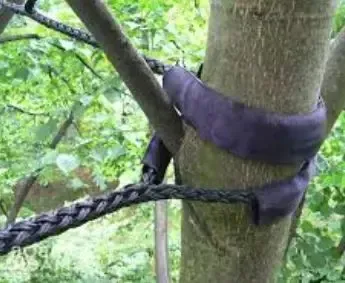
Tree cabling involves installing flexible steel cables between major branches or stems to redistribute mechanical stress and prevent splitting. The system typically uses high-strength galvanized steel cables, specialized hardware, and protective materials to create a support network that moves naturally with the tree. Bracing, by contrast, uses rigid steel rods installed through weak unions or splits to provide immediate structural reinforcement.
Modern cabling systems have evolved significantly from early rigid approaches. Today's dynamic cable systems allow for natural tree movement while providing crucial support during high-stress events like windstorms or heavy snow loads. The cables are installed at strategic points, typically in the upper two-thirds of the crown, where they can effectively redistribute forces without restricting healthy growth patterns.
Professional installation requires careful assessment of the tree's structure, load patterns, and growth characteristics. Each cable placement must consider future growth, seasonal movement, and the specific failure risks present in that particular tree. The hardware used includes specialized brackets, thimbles, and protective sleeves that prevent bark damage and allow for ongoing tree expansion.
Conditions Requiring Structural Support
Several structural conditions make trees candidates for cabling and bracing intervention. Co-dominant stems with weak bark attachments represent the most common scenario, particularly when the angle between stems creates inherent weakness. These situations often develop naturally as trees mature, but environmental stresses can accelerate the splitting process.
Heavy horizontal branches that extend beyond the tree's natural balance point frequently benefit from cable support. Large oak and elm trees commonly develop these extended limbs that create significant leverage forces during wind events. Tree Cabling & Bracing systems can effectively reduce the stress on these vulnerable attachment points while preserving the branch structure.
Storm-damaged trees with partial splits or cracks often qualify for emergency bracing installation. When a valuable tree sustains damage but retains structural integrity, rapid intervention with bracing rods can prevent complete failure while the tree compartmentalizes the wound. This approach proves particularly valuable for mature specimen trees that would be costly and time-consuming to replace.
Trees with decay or hollow sections in critical structural areas may benefit from prophylactic cabling. While the decay cannot be reversed, strategic cable placement can compensate for reduced structural capacity in affected areas. This approach works best when combined with regular monitoring and maintenance programs.
Installation Process and Technical Considerations
Professional cable installation begins with comprehensive structural assessment using specialized equipment and techniques. Certified arborists evaluate wood strength, branch angles, load distribution, and potential failure modes before designing the support system. This assessment phase determines cable placement, hardware selection, and installation specifications tailored to each tree's unique characteristics.
The installation process requires specialized equipment including bucket trucks, climbing gear, and precision drilling tools. Cables are typically installed using through-bolt systems or wrap-around methods, depending on branch size and structural requirements. Each installation point receives protective padding and hardware designed to accommodate ongoing tree growth without girdling or bark damage.
Cable tensioning represents a critical aspect of proper installation. Cables must provide adequate support without over-restricting natural movement or creating unnatural stress concentrations. Professional installers use calibrated equipment to achieve optimal tension levels that balance support effectiveness with tree health considerations.
Quality installations incorporate multiple redundancy measures and fail-safe features. Hardware selection emphasizes corrosion resistance, appropriate load ratings, and long-term durability under outdoor conditions. All components must meet or exceed industry standards established by organizations like the International Society of Arboriculture and the Tree Care Industry Association.
Common Mistakes and Misconceptions
One frequent misconception involves viewing cabling as a permanent fix rather than an ongoing management strategy. Tree cabling systems require regular inspection, maintenance, and potential adjustment as trees grow and change. Property owners who install systems without planning for long-term maintenance often experience system failures or tree damage years later.
Improper hardware selection represents another common error that can compromise system effectiveness and tree health. Using automotive or marine hardware instead of specialized arboricultural equipment often leads to premature failure or bark damage. The unique requirements of living tree support demand purpose-built components designed for biological systems.
DIY installation attempts frequently result in inadequate support or tree injury. The complex engineering calculations involved in proper cable placement, the specialized equipment required for safe installation, and the need for ongoing professional assessment make this a poor candidate for homeowner projects. Improper installation can actually increase failure risk rather than reducing it.
Some property owners mistakenly believe that cabling eliminates all risk of tree failure. While properly installed systems significantly reduce failure probability, they cannot guarantee complete safety, particularly during extreme weather events. Realistic risk assessment and appropriate expectations are essential components of successful tree support programs.
Local Considerations for Longmont Properties
Longmont's Front Range location creates specific challenges for tree structural support systems. The region's characteristic high winds, particularly chinook events and spring storms, place exceptional demands on cabled trees. Local installation practices must account for these wind patterns and the associated stress cycles that cables and hardware will experience throughout their service life.
The area's elevation and UV exposure levels affect hardware longevity and performance. Steel components face accelerated oxidation processes, while synthetic materials may degrade more rapidly than in lower-elevation environments. Professional installations in Longmont typically specify enhanced corrosion protection and UV-resistant materials to compensate for these environmental factors.
Longmont's diverse urban forest includes many mature trees planted during earlier development phases, creating a substantial population of aging specimens that may benefit from structural support. The community's commitment to urban forestry preservation makes professional cabling and bracing services particularly valuable for maintaining canopy coverage and property values.
Local soil conditions and moisture patterns influence root system development and overall tree stability. Our tree planting notes for Longmont detail how proper establishment affects long-term structural integrity, but mature trees may require additional support regardless of their foundational health.
Professional Assessment and System Design
Qualified arborists use systematic assessment protocols to evaluate trees for cabling and bracing potential. This process includes visual inspection of structural defects, measurement of branch angles and stem relationships, evaluation of wood condition through resistance drilling or other techniques, and analysis of load patterns and failure modes. The assessment determines whether structural support can effectively reduce risk and preserve the tree.
System design considers multiple factors including tree species characteristics, growth patterns, environmental exposures, and property-specific risks. Different species respond differently to cabling systems, with some adapting well to the support while others may develop dependency issues. Professional design accounts for these biological factors alongside purely mechanical considerations.
Load calculations and engineering analysis ensure that installed systems can handle expected stress levels while accommodating ongoing tree growth. This technical aspect requires understanding of both structural engineering principles and tree biology, making it essential to work with properly trained professionals who maintain current certifications and continuing education.
Installation specifications must address local code requirements, insurance considerations, and liability issues. Professional arborists maintain appropriate licensing and insurance coverage while following industry best practices that protect both the tree and surrounding property. Documentation of the assessment, design, and installation process provides important records for ongoing management and potential insurance claims.
Long-term Management and Maintenance
Successful cabling and bracing systems require ongoing professional attention throughout their service life. Annual inspections check hardware condition, cable tension, tree growth responses, and overall system performance. These regular assessments identify potential issues before they develop into system failures or tree damage, making maintenance programs essential for system effectiveness.
Hardware replacement schedules depend on environmental conditions, system design, and tree growth rates. Most components have predictable service lives, but local factors like UV exposure, moisture cycles, and mechanical stress can accelerate wear patterns. Proactive replacement of aging components prevents system failures and associated tree damage.
Tree growth accommodation represents an ongoing challenge for cabled trees. As trees expand, hardware must be adjusted or replaced to prevent girdling or bark damage. Some systems incorporate growth-accommodating features, but all installations eventually require modification to maintain effectiveness without harming tree health.
System modification or removal may become necessary as trees mature or conditions change. Trees that outgrow their structural weaknesses may no longer require support, while others may need system upgrades or reconfiguration. Professional management programs include periodic reevaluation to ensure that support systems continue to serve their intended purpose effectively.
For related reading, see our land and lot clearing overview for Longmont.
