Fire Mitigation in Longmont CO: Defensible Space Basics
Creating defensible space around your property in Longmont requires understanding both the science of wildfire behavior and Boulder County's specific regulations. The foothills location puts many homes in the wildland-urban interface zone, where proper vegetation management becomes your primary defense against approaching fires.
Understanding Defensible Space Zones
Defensible space divides into three distinct zones, each serving a specific purpose in fire protection. Zone 1 extends 15 feet from all structures and requires the most aggressive vegetation management. You must remove all flammable vegetation except for well-spaced, low-growing plants and individual trees pruned up from the ground. Dead plant material, including fallen leaves and needles, cannot accumulate in this critical area.
Zone 2 encompasses the area from 15 to 100 feet from structures, though this may extend to 200 feet depending on your property's slope. Here you create fuel breaks by thinning vegetation and maintaining spacing between plant groupings. Trees should have at least 10 feet of separation between crowns, with all branches pruned up 6 feet from ground level. Shrubs require similar spacing and height management to prevent fire from climbing into tree canopies.
Zone 3 covers areas beyond 100 feet where you focus on reducing fire intensity rather than complete fuel removal. Strategic thinning of dense tree stands and removal of ladder fuels helps slow fire spread while maintaining the forest ecosystem. This zone requires ongoing management as vegetation naturally regenerates.
Ladder Fuel Elimination Strategies
Ladder fuels create the pathway for ground fires to reach tree crowns, transforming manageable surface fires into dangerous crown fires. These fuels include low-hanging tree branches, tall shrubs, and intermediate-height vegetation that bridges the gap between ground-level fuels and tree canopies.
Proper pruning removes all tree branches within 6 feet of the ground, with additional height clearance on slopes where uphill fires gain intensity. For large trees, you may need to remove branches up to one-third of the tree's total height while maintaining the crown's health and structure. Dead branches throughout the canopy also require removal as they ignite easily and spread fire rapidly.
Shrub management involves either complete removal or aggressive pruning to keep heights below 3 feet. Oakbrush, serviceberry, and mountain mahogany common in Longmont's foothills can form dense thickets that carry fire effectively. Fire Mitigation & Defensible Space work requires specialized equipment to clear these areas safely while preserving desirable vegetation.
Small trees and saplings between larger trees create continuous fuel ladders that must be removed. This selective thinning maintains forest character while breaking fuel continuity. The remaining trees develop better health and fire resistance when competition decreases.
Boulder County Code Requirements
Boulder County's wildfire mitigation standards mandate specific actions for properties in fire hazard areas. The county requires 30 feet of defensible space around all structures, with enhanced requirements based on slope and vegetation type. Properties on slopes exceeding 30% face extended defensible space requirements that may reach 200 feet.
Building materials and design elements also fall under county oversight. Roof materials must meet Class A fire rating standards, and exterior walls require fire-resistant construction. Vents need mesh screening to prevent ember intrusion, while decking materials should resist ignition from firebrands carried by wind.
Annual maintenance becomes legally required once you establish defensible space. The county can issue violations for properties where vegetation regrows beyond compliance standards. Regular inspection ensures your mitigation work continues providing protection as plants regenerate and new growth appears.
Permits may be required for extensive vegetation removal, particularly when working near drainage areas or removing large numbers of trees. The county balances fire safety with environmental protection, requiring careful planning for major mitigation projects.
Compliance Documentation
Property owners must maintain records of mitigation work, including before and after photographs, contractor certifications, and ongoing maintenance schedules. This documentation proves compliance during inspections and supports insurance claims if fire damage occurs despite proper preparation.
Slope Considerations and Micro-Climate Factors
Longmont's position between the plains and foothills creates unique fire behavior challenges. South-facing slopes receive intense solar heating that dries vegetation and creates extreme fire conditions during summer months. These exposures require more aggressive fuel reduction and wider defensible space zones.
Wind patterns flowing down from the Continental Divide can accelerate fire spread and carry firebrands over significant distances. Properties in wind-exposed locations need enhanced ember protection, including covered gutters, sealed eaves, and screens over all openings.
Drainage areas and seasonal water courses create fuel accumulation zones where dead vegetation collects during storms. These areas require regular cleaning to prevent fire from following natural corridors toward structures. However, you cannot simply clear-cut riparian areas due to environmental regulations requiring permit coordination.
Elevation differences across properties create varying fuel moisture levels and fire behavior patterns. Lower areas may remain green longer but can accumulate dense vegetation, while higher elevations dry out earlier and experience more extreme fire weather conditions.
Native Plant Selection for Fire-Resistant Landscaping
Replacing removed vegetation with fire-resistant native plants maintains landscape appeal while reducing fire risk. Blue spruce, ponderosa pine, and aspen provide good fire resistance when properly spaced and maintained. These species naturally shed lower branches and resist crown ignition better than introduced species.
Ground cover options include native grasses that cure early and burn with low intensity. Buffalo grass, blue grama, and western wheatgrass create attractive lawns requiring less water while providing minimal fire fuel. These grasses go dormant during fire season, reducing their flammability compared to irrigated turf.
Shrub selection focuses on low-growing, high-moisture species that break fuel continuity. Kinnikinnick, mountain mahogany, and native currants can provide wildlife habitat and erosion control without creating fire hazards when properly maintained. Avoid junipers and other resinous shrubs that ignite easily and burn intensely.
Rock gardens and hardscaping elements create permanent fuel breaks that require no maintenance. Strategic placement of boulders, gravel areas, and stone pathways can channel fire away from structures while creating attractive landscape features that complement the natural environment.
Equipment and Safety Considerations
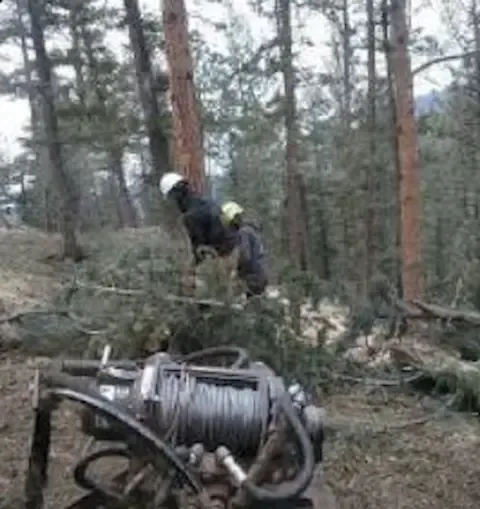
Professional fire mitigation requires specialized equipment not typically available to homeowners. Chipper trucks handle large volumes of brush safely, while stump grinders remove root systems that can smolder underground. Cable winch systems allow safe tree removal on steep slopes where conventional equipment cannot operate.
Personal protective equipment becomes critical when working around fire-prone vegetation. Chain saws create sparks that can ignite dry fuel, requiring fire extinguishers and water sources nearby. Professional crews carry specialized safety gear and maintain communication systems for emergency situations.
Disposal of cut vegetation requires careful planning to prevent creating new fire hazards. more on emerald ash in Longmont discusses disposal options, but fire mitigation debris often requires immediate chipping or removal during high fire danger periods rather than on-site burning or stacking.
Timing of mitigation work affects both safety and effectiveness. Spring work allows plants time to recover before fire season, while fall work prevents having fresh cut material during peak fire danger. Weather conditions must be monitored continuously during active mitigation work.
Long-Term Maintenance and Monitoring
Defensible space requires ongoing maintenance as vegetation naturally regenerates. Annual inspections identify new growth requiring removal and assess the effectiveness of previous work. Fast-growing species like gambel oak and chokecherry can re-establish fuel ladders within two growing seasons without management.
Irrigation systems may need modification to avoid encouraging vegetation growth in areas requiring fuel reduction. Efficient watering of desired plants while maintaining defensible space requires careful design and ongoing adjustment as landscapes mature.
Seasonal maintenance tasks include removing fallen branches, clearing gutters of accumulated needles and leaves, and maintaining spark arrestors on chimneys. These seemingly minor tasks prevent ember ignition that can start structure fires even when defensible space is properly maintained.
Professional consultation helps property owners adapt their defensible space as conditions change. New construction, landscape maturation, and changing fire behavior patterns may require modifications to existing mitigation work to maintain effective protection.
Creating effective defensible space in Longmont requires balancing fire protection with environmental stewardship and aesthetic preferences. Professional assessment ensures your mitigation work meets both regulatory requirements and practical fire protection needs while preserving the natural beauty that makes foothill living desirable.
For related reading, see defensible space zones for west Longmont foothill homes.
