Emerald Ash Borer Treatment in Longmont CO Explained
Understanding Emerald Ash Borer in Colorado
The emerald ash borer (EAB) represents one of the most destructive invasive pests threatening Colorado's urban forests. This metallic green beetle has killed millions of ash trees across North America since its discovery in 2002, and Colorado confirmed its first EAB detection in Boulder County in 2013. The larvae feed on the inner bark of ash trees, disrupting the tree's ability to transport water and nutrients, ultimately leading to tree death within 2-4 years if left untreated.
In Longmont and surrounding Boulder County areas, ash trees make up a significant portion of the urban canopy. These trees, including green ash, white ash, and blue ash varieties, are particularly vulnerable to EAB attack. The beetle typically targets stressed or weakened trees first but will eventually attack healthy specimens as populations grow. Understanding the threat level in your specific area helps determine the urgency and timing of treatment decisions.
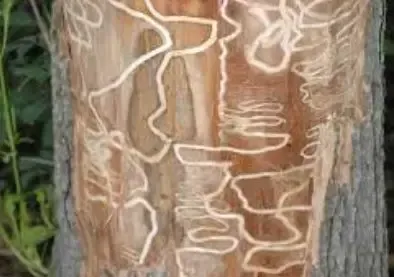
EAB adults emerge from infested trees between May and August, with peak emergence typically occurring in June and July in Colorado's climate. The beetles fly to nearby ash trees to mate and lay eggs in bark crevices. Once eggs hatch, larvae bore into the tree and begin feeding on the cambium layer, creating distinctive serpentine galleries that girdle the tree and cut off nutrient flow.
Treatment Methods and Effectiveness
Professional EAB treatment in Longmont primarily involves systemic insecticide applications that protect trees from larval damage. The most effective treatments use emamectin benzoate, a systemic insecticide that moves throughout the tree's vascular system and remains active for multiple years. This chemical is applied through trunk injection, soil application, or canopy spray methods, with trunk injection showing the highest success rates.
Trunk injection treatment involves drilling small holes into the tree's base and injecting the insecticide directly into the sapwood. This method ensures maximum chemical uptake while minimizing environmental impact. The treatment typically takes 1-2 hours per tree, depending on trunk diameter, and provides protection for 2-3 years with a single application. Success rates exceed 95% when applied to trees with less than 30% canopy dieback.
Soil application methods involve applying granular or liquid insecticides around the tree's drip line, allowing root uptake to distribute the chemical throughout the tree. While less expensive than injection, soil treatments require annual applications and may be less effective in Colorado's alkaline soils. Canopy spraying offers another option but requires specialized equipment and is weather-dependent, making it less practical for most residential situations.
Preventive treatments work best when applied before EAB populations establish in your immediate area. Once trees show symptoms like canopy dieback, D-shaped exit holes, or bark splitting, treatment effectiveness decreases significantly. Trees with more than 50% canopy loss rarely recover even with aggressive treatment protocols.
Timing Windows for EAB Treatment
Colorado's climate creates specific timing windows for optimal EAB treatment effectiveness. The best treatment period runs from early April through mid-June, when trees are actively drawing up water and nutrients from their root systems. This active uptake period ensures maximum insecticide distribution throughout the tree's vascular system before adult beetles begin their emergence and egg-laying cycle.
Fall treatments between September and October also show good results, as trees prepare for dormancy by drawing nutrients down to their root systems. However, spring applications generally provide better protection since the insecticide has more time to distribute before the peak EAB activity period. Avoid treatments during extreme weather conditions, drought stress, or when trees show signs of other health issues that might affect chemical uptake.
Treatment timing also depends on your tree's specific risk level. Trees in areas with confirmed EAB detections should receive preventive treatment as early as possible. Emerald Ash Borer Treatment requires careful assessment of local infestation levels and individual tree health status to determine the optimal treatment schedule.
Multi-year treatment programs typically space applications 2-3 years apart for trunk injections, while soil treatments require annual applications. Your arborist will develop a customized treatment schedule based on your tree's size, health, location, and local EAB pressure levels.
Treatment vs. Removal Decision Factors
The decision to treat or remove ash trees depends on multiple factors including tree health, size, location, and treatment costs versus replacement expenses. Generally, healthy ash trees with good structure and desirable locations justify treatment costs, while declining trees or those in poor locations may be better candidates for removal and replacement.
Tree health assessment considers canopy density, trunk condition, root health, and existing pest or disease issues. Trees showing more than 30% canopy dieback have reduced treatment success rates and may require more frequent applications to maintain health. Large, mature ash trees often warrant treatment due to their high replacement value and significant contribution to property value and environmental benefits.
Location factors include proximity to structures, utility lines, and high-traffic areas. Trees that pose safety risks if they decline rapidly might be better removed proactively rather than treated. Consider also the tree's landscape value, shade provision, and aesthetic contribution to your property. Specimen trees or those providing critical shade or privacy typically justify treatment investments.
Cost analysis should compare multi-year treatment expenses against removal and replacement costs. Treatment programs typically cost $10-15 per inch of trunk diameter every 2-3 years, while removal and replacement can cost $2,000-5,000 or more for large trees. Factor in the time required for replacement trees to provide similar benefits when making your decision.
Common Treatment Mistakes and Misconceptions
Many property owners make critical mistakes when addressing EAB threats, often reducing treatment effectiveness or wasting money on ineffective approaches. One common error involves waiting until symptoms appear before beginning treatment. By the time ash trees show visible EAB damage, treatment success rates drop significantly and may require more aggressive, expensive protocols.
Another frequent mistake involves using ineffective treatment products or application methods. Over-the-counter insecticides and systemic products available to homeowners rarely provide adequate protection against EAB. Professional-grade emamectin benzoate applications require specialized equipment, proper dosing calculations, and precise injection techniques that untrained individuals cannot replicate effectively.
Timing errors also compromise treatment success. Some property owners apply treatments during drought conditions or when trees are stressed from other factors, reducing chemical uptake and effectiveness. Others miss the optimal application windows, applying treatments too late in the season when beetles have already completed their reproductive cycle.
Property owners sometimes expect immediate visible improvement after treatment, not understanding that EAB protection works preventively rather than curatively. Trees with existing damage may continue to show decline for 1-2 years while new growth gradually replaces damaged tissue. Patience and continued care are essential for treatment success.
Local Longmont Considerations
Longmont's urban forest contains thousands of ash trees throughout residential neighborhoods, parks, and commercial areas. The city's elevation, climate, and soil conditions create unique considerations for EAB treatment programs. Colorado's intense UV radiation, temperature fluctuations, and periodic drought conditions can stress ash trees and affect treatment timing and effectiveness.
Boulder County's EAB management efforts include monitoring, public education, and coordination with local tree care professionals. The county tracks EAB spread and provides updated infestation maps to help property owners assess their risk levels. Longmont residents can access current EAB information through county extension offices and certified arborist networks.
Local soil conditions in Longmont often feature high pH levels and clay content that can affect soil-applied treatments. Professional arborists familiar with local conditions can adjust treatment protocols to account for these factors and ensure optimal results. Understanding your specific soil type and drainage patterns helps determine the most effective treatment approach for your property.
Longmont's tree preservation ordinances may also affect treatment and removal decisions for large ash trees. Check local regulations before making significant tree management decisions, as permits may be required for removal or major pruning of protected trees. Working with certified local arborists ensures compliance with municipal requirements while protecting your ash tree investment.
Professional Treatment Services and Costs
Professional EAB treatment in Longmont typically costs between $10-15 per inch of trunk diameter for trunk injection applications. A 20-inch diameter ash tree would cost approximately $200-300 per treatment, with retreatment needed every 2-3 years. Soil application treatments cost slightly less but require annual applications, making them comparable in long-term expenses.
Treatment costs vary based on tree size, access difficulty, number of trees treated, and specific products used. Multiple tree discounts often apply for properties with several ash trees requiring treatment. Some companies offer multi-year contracts that provide cost savings and ensure consistent protection scheduling.
When selecting treatment providers, verify proper licensing, insurance, and certification credentials. Look for International Society of Arboriculture (ISA) certified arborists with specific experience in EAB treatment protocols. Request detailed treatment proposals that specify products used, application methods, timing schedules, and success monitoring procedures.
Quality treatment services include pre-treatment tree health assessment, proper product selection and dosing, professional application techniques, and follow-up monitoring. Avoid services that seem significantly under-priced, as they may use inferior products, inadequate dosing, or improper application methods that compromise treatment effectiveness.
Monitoring and Long-Term Management
Successful EAB treatment requires ongoing monitoring and management to ensure continued tree health and treatment effectiveness. Regular inspections should look for new EAB symptoms, overall tree health changes, and any environmental stresses that might affect treatment success. Professional arborists typically recommend annual health assessments for treated trees.
Treatment effectiveness monitoring includes watching for new growth, canopy density improvements, and absence of new EAB symptoms. Healthy trees should show vigorous new growth, improved leaf color, and stable or increasing canopy density following successful treatment. Any concerning changes warrant professional evaluation and possible treatment adjustments.
Long-term ash tree management involves coordinating EAB treatment with other tree care practices like proper pruning, watering, and soil management. The tree health breakdown for Longmont owners provides comprehensive guidance on maintaining optimal tree health alongside pest management programs.
Consider developing a comprehensive ash tree management plan that addresses treatment scheduling, monitoring protocols, and contingency plans for treatment failure or changing EAB pressure levels. This proactive approach helps protect your investment while maintaining flexibility to adapt management strategies as conditions change over time.
For related reading, see how EAB quarantine zones now reach Longmont properties.
