EAB Quarantine Zones Reaching Longmont CO Properties
Boulder County's emerald ash borer quarantine zones have officially expanded to include Longmont, Colorado properties, marking a significant shift in local wood movement regulations and ash tree management requirements. This quarantine designation means specific restrictions now apply to how you transport firewood, lumber, and other wood materials from your property, while also establishing new guidelines for ash tree treatment decisions.
Understanding EAB Quarantine Regulations in Longmont
The quarantine zone designation prohibits moving ash wood products, including firewood, logs, branches, and lumber, outside the designated area without proper certification. You cannot transport these materials beyond Boulder County boundaries or into non-quarantined Colorado counties without following specific protocols established by the Colorado Department of Agriculture.
Within Longmont city limits, you can still move ash wood materials locally, but any transport to areas like Denver, Fort Collins, or other non-quarantined regions requires compliance documentation. The quarantine also covers ash nursery stock, meaning you cannot plant new ash trees sourced from outside approved areas.
Your property falls under these restrictions regardless of whether you have confirmed EAB activity on your specific trees. The quarantine operates as a preventive measure across the entire designated geographic area, which now encompasses all of Boulder County including Longmont residential and commercial properties.
Wood Movement Requirements for Property Owners
If you need to remove ash wood from your Longmont property, you must either use it locally or obtain proper certification for transport. Certified wood must be heat-treated to specific temperatures that eliminate EAB larvae, or you must work with approved processors who can provide compliance documentation.
Firewood presents particular challenges under quarantine rules. You cannot take ash firewood from your Longmont property to camping areas outside Boulder County, nor can you sell it to buyers in non-quarantined regions. Local use within the quarantine zone remains permissible, but you should verify current boundaries before any transport.
Commercial tree services operating in Longmont must follow additional protocols when disposing of ash wood debris. Many services now offer Emerald Ash Borer Treatment options alongside removal services, helping property owners make informed decisions about tree preservation versus removal.
The quarantine also affects construction and renovation projects involving ash lumber. If your project requires moving ash materials off-site, you must coordinate with certified processors or use alternative wood species to avoid compliance issues.
Treatment Decision Factors for Longmont Properties
Your location within the quarantine zone creates both urgency and opportunity for ash tree treatment decisions. Trees showing early EAB symptoms may still respond well to systemic insecticide treatments, but timing becomes critical as infestation pressure increases across Boulder County.
Healthy ash trees over six inches in diameter typically qualify as good treatment candidates, especially if they provide significant landscape value or structural benefits to your property. Treatment costs should be weighed against replacement expenses, considering that mature ash trees often require decades to replace with equivalent canopy coverage.
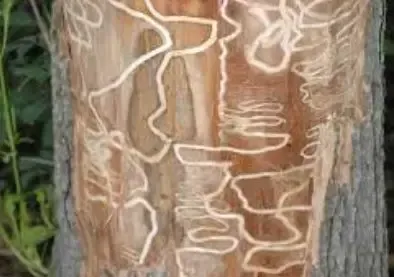
Tree condition assessment becomes more complex within quarantine zones because early EAB damage can be subtle. You should look for crown thinning starting in upper branches, bark splits revealing S-shaped larval galleries, and unusual epicormic sprouting along the trunk. However, professional diagnosis often identifies threats before visible symptoms appear.
Treatment timing must account for the insecticide application schedule, which typically requires early spring injection for optimal effectiveness. Delaying treatment decisions into late summer or fall can reduce success rates, particularly as local EAB populations establish and expand throughout the quarantine area.
Cost-Benefit Analysis for Ash Trees
Treatment costs for mature ash trees generally range from $200 to $500 annually, depending on tree size and treatment method. Compare this investment against removal costs, which often exceed $1,000 for large specimens, plus replacement planting and establishment expenses that can add another $500 to $1,500.
High-value ash trees near structures, providing energy savings, or contributing significantly to property aesthetics often justify treatment expenses. Conversely, declining trees, those in poor locations, or specimens already showing advanced EAB damage may be better candidates for removal and replacement.
Local Monitoring and Reporting Requirements
Boulder County maintains ongoing EAB monitoring programs that rely partly on property owner observations and reports. If you notice suspicious symptoms on ash trees, reporting these observations helps track infestation progression and informs regional management strategies.
The Colorado State Forest Service coordinates with local municipalities to track EAB spread patterns, using data from Longmont and surrounding areas to refine quarantine boundaries and treatment recommendations. Your participation in monitoring efforts contributes to community-wide management effectiveness.
Property owners should document ash tree conditions with photographs and notes, particularly if considering treatment investments. This documentation helps track treatment effectiveness and provides baseline information for future management decisions.
Professional Management Considerations
Working with certified arborists becomes increasingly important within quarantine zones due to complex regulations and specialized treatment requirements. Professional services can navigate compliance issues while providing expert assessment of treatment versus removal decisions for your specific trees.
Many Longmont tree care companies now offer comprehensive EAB management programs that include initial assessment, treatment application, and ongoing monitoring services. These programs often provide better long-term value than piecemeal approaches, especially for properties with multiple ash trees.
Certification requirements for EAB treatments ensure that applications meet efficacy standards and comply with pesticide regulations. Professional applicators maintain proper licensing and can coordinate treatment timing with optimal biological windows for maximum effectiveness.
For comprehensive information about local management options, you can find more on emerald ash in Longmont through specialized arboricultural resources that address both treatment and removal considerations for Boulder County properties.
Planning Ahead Within Quarantine Zones
The quarantine designation creates long-term planning considerations for Longmont property owners, particularly regarding landscape diversity and future tree selection. Reducing ash tree dependence through gradual replacement with diverse species can provide insurance against future pest problems.
Treatment programs typically require multi-year commitments to maintain effectiveness, so budgeting for ongoing management becomes part of property maintenance planning. However, successful treatment can extend ash tree lifespans significantly, often providing decades of additional service life.
Understanding quarantine regulations helps you make informed decisions about wood disposal, treatment timing, and replacement planning. As EAB populations establish throughout Boulder County, proactive management approaches generally provide better outcomes than reactive responses to advanced infestations.
