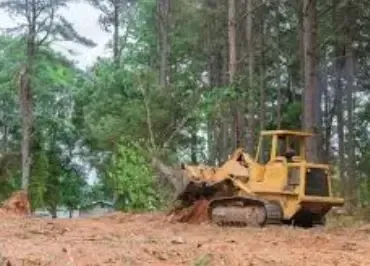
Clearing Brush Before Building in Longmont Colorado
Buying a lot and breaking ground are two very different milestones. What happens in between—cutting back vegetation, grubbing stumps, and getting the soil ready for machinery—is often underestimated in both time and complexity. In Longmont, where the Front Range foothills meet suburban development corridors along US-287 and Highway 119, raw land varies dramatically. Some parcels are open and relatively clear. Others carry dense stands of native scrub oak, rabbitbrush, cottonwood volunteers, and invasive tamarisk that have established over decades. Before a foundation can be staked, that vegetation has to come out in a way that supports the build rather than complicating it.
Why Brush Clearing Deserves Its Own Planning Phase
Most pre-construction timelines fold site prep into a single line item, but brush clearing has enough moving parts to warrant its own project phase. In Longmont's outer growth zones—particularly around the Airport Road corridor and the newer subdivisions pushing northeast toward Berthoud—lot conditions change block by block. A parcel that looks manageable from the street may have a drainage swale running through the back third, or a cluster of mature trees near the setback line that require separate evaluation before any equipment rolls in.
Planning this phase separately gives you time to resolve two things that cause delays later: survey markers and utility locates. Every piece of equipment operator working in Boulder County should have confirmed utility flags on site before starting, and your survey stakes need to be protected or documented before clearing begins. Losing a corner monument to a skid steer is a costly mistake that pushes your permit timeline back.
Understanding What Has to Come Out and What Can Stay
Not everything on a raw lot needs to go. Depending on your site plan and local grading requirements, trees outside the building envelope and grading limits may have value—as privacy buffers, as erosion control on slopes, or simply as mature landscape assets that take decades to replace. The Longmont area's semi-arid climate means established trees hold real value, and preserving them where possible is worth factoring into your clearing plan.
What does need to come out before construction typically includes:
Woody shrubs and brush within the building footprint and future driveway corridor
Stumps and root masses that would interfere with grading or foundation work
Dead or structurally compromised trees anywhere near the work zone
Invasive species like Russian olive and tamarisk, which Boulder County actively encourages removing
Debris and volunteer growth that accumulated in the lot's idle years
A qualified crew can walk the lot with you and mark what should be removed versus what's worth protecting. This walkthrough step is where you align the clearing scope with your site plan before any equipment is committed. For a closer look at how this evaluation works on Longmont lots specifically, the land lot walkthrough for Longmont covers that process in detail.
Permit and Notification Requirements in Longmont
Longmont operates under the City's Development Review process for most new construction, and brush clearing that's part of a permitted build typically falls under the grading and land disturbance rules coordinated through that process. If you're clearing in the unincorporated Boulder County portion of the area, the county has its own vegetation removal and grading permit thresholds that may apply depending on acreage disturbed.
Key points to confirm before clearing begins:
Whether your lot is within city limits or under Boulder County jurisdiction
Whether any portion of the parcel falls within a floodplain or wetland buffer—both the St. Vrain corridor and seasonal drainages near the eastern plains parcels have these designations
Whether removal of any trees above a certain diameter requires separate tree removal documentation under the city's policies
Whether your building permit requires a tree preservation plan as part of the approved plan set
Your contractor and your project's civil engineer or architect should be aligned on this before clearing begins. Clearing without confirming jurisdiction boundaries is a common source of stop-work orders.
The Standard Clearing Sequence for a Build-Ready Lot
On a typical Longmont lot prep job, the sequence runs like this. First, the site is marked: utility flags are in place, survey monuments are documented, and protection fencing is installed around any trees or features staying on site. Second, hand crews or light equipment remove the shrub and brush layer, working from the building footprint outward. Third, larger equipment handles stump grinding or full root-ball extraction depending on the grading plan—if significant regrading is planned, full removal is usually the right call. Fourth, material is chipped, staged, or hauled off site depending on the volume and your haul-off plan.
The haul-off question matters more than most owners expect. A heavily vegetated lot in the Longmont area can generate a substantial volume of material—multiple truckloads of chipped brush and whole-log debris. Having a destination lined up before clearing begins, whether that's a green waste facility, a compost operation, or a site where chips can be spread beneficially, prevents the cleared material from becoming a second problem to solve. Boulder County has green waste drop-off locations, and Longmont's waste services can point you toward current disposal options.
Erosion Control Starts at the Clearing Stage
One consideration that's easy to overlook: the moment vegetation comes off a lot, the soil is exposed and vulnerable. In Longmont, where spring weather brings significant wind events and occasional heavy rain off the foothills, a freshly cleared lot can erode quickly if erosion control measures aren't installed promptly. Your grading and site plan will specify what's required—typically silt fence along downslope edges and potentially erosion control matting on any graded slopes—but timing matters. Get those controls in before the first significant weather event after clearing.
The Front Range construction season moves fast, and erosion issues caught late in a project cycle can trigger city inspection holds that delay your foundation pour. Treating erosion control as part of the clearing phase, not an afterthought to grading, keeps your schedule on track.
Choosing the Right Crew for the Job
Brush clearing for construction is a distinct scope from routine lot cleanup or residential tree trimming. The crew needs to work around equipment access routes, respect staked boundaries, and coordinate timing with your general contractor or grading sub. Experience with Boulder County and Longmont permit requirements, familiarity with the local vegetation types common to the Front Range, and the equipment capacity to handle stumps and root systems are all part of what separates a qualified crew from a general landscaping operation.
If you're planning a build in the Longmont area and need the site properly cleared before your grading and foundation work begins, Land & Lot Clearing is a good starting point for understanding what that scope looks like and how to get an accurate estimate for your specific parcel.
